Small businesses lose hours every week to repetitive work that can be automated in an afternoon. Here's how to turn that pain into a freelance career charging $80 to $160 an hour.
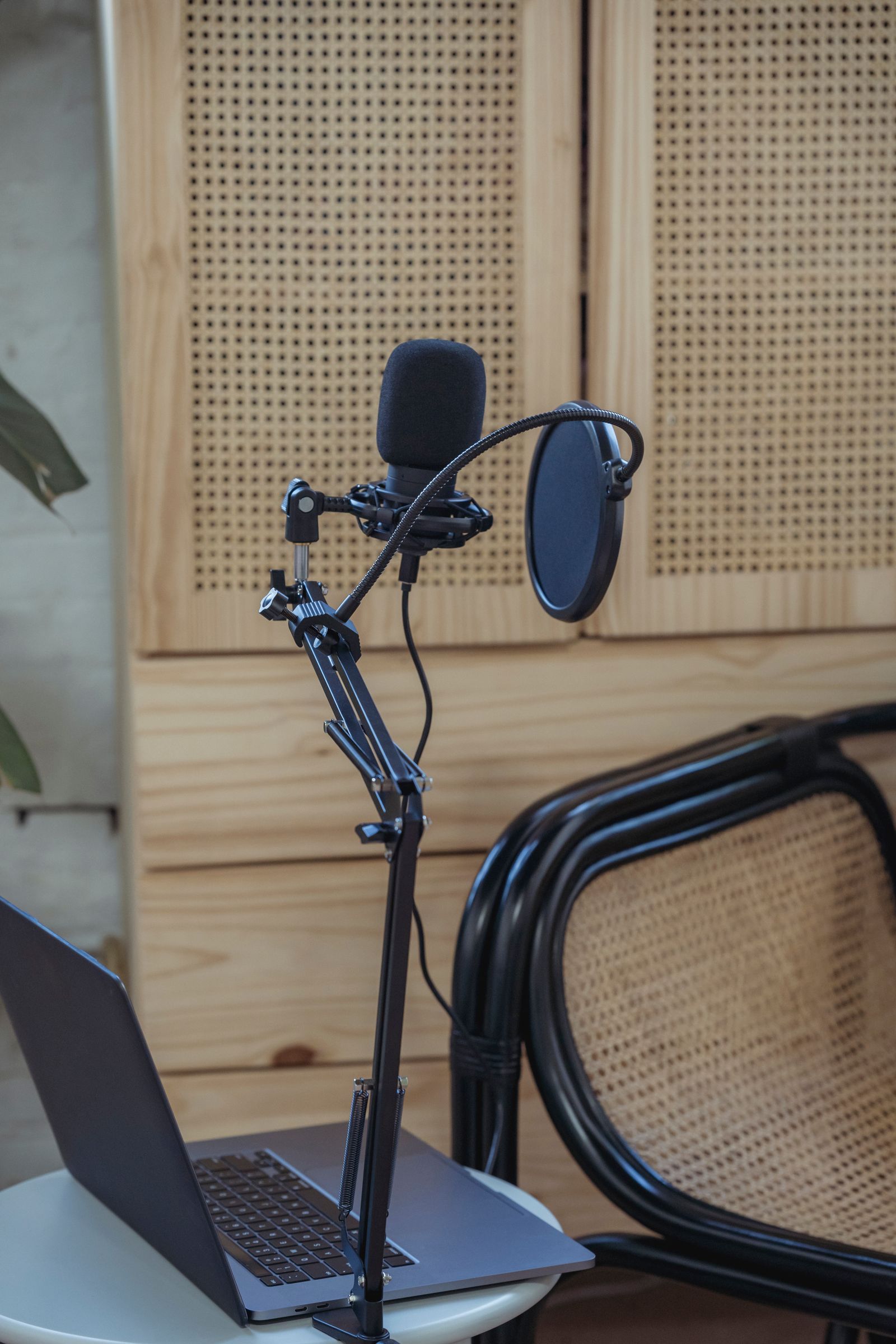
No camera, no face, no filming yourself. Faceless channels are real businesses, but most 'passive income' advice about them is fiction. Here are the actual RPM numbers and a 90-day plan.
No inventory, no shipping, no 2 a.m. packing sessions. A planner you design once can sell 3,000 times. Here's what actually sells on Etsy in 2026 and how to get your first sale.
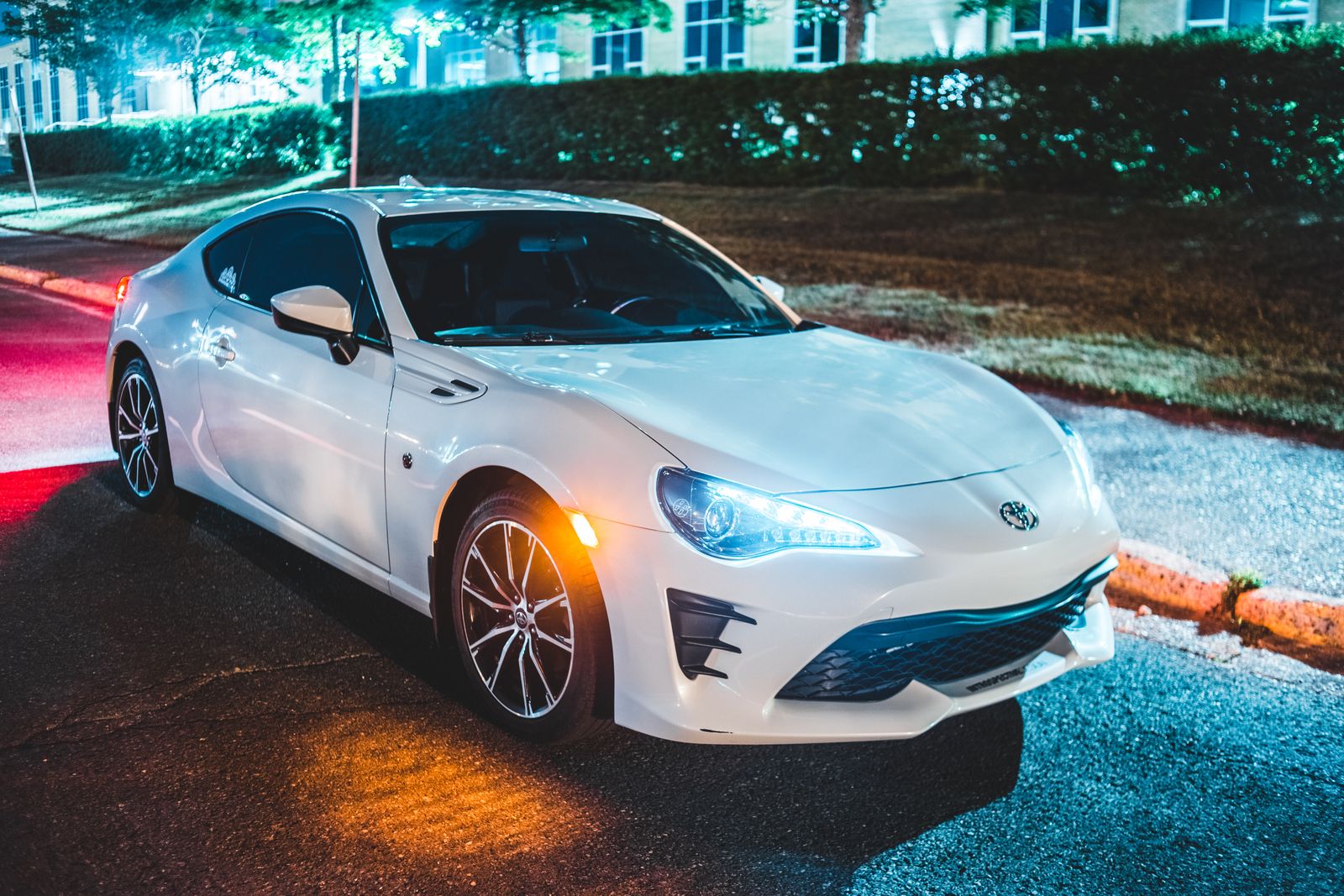
Your car sits parked 95% of the time while costing you money every month. Turo lets strangers pay you for those idle hours. Here's the honest profit math and who should skip it.
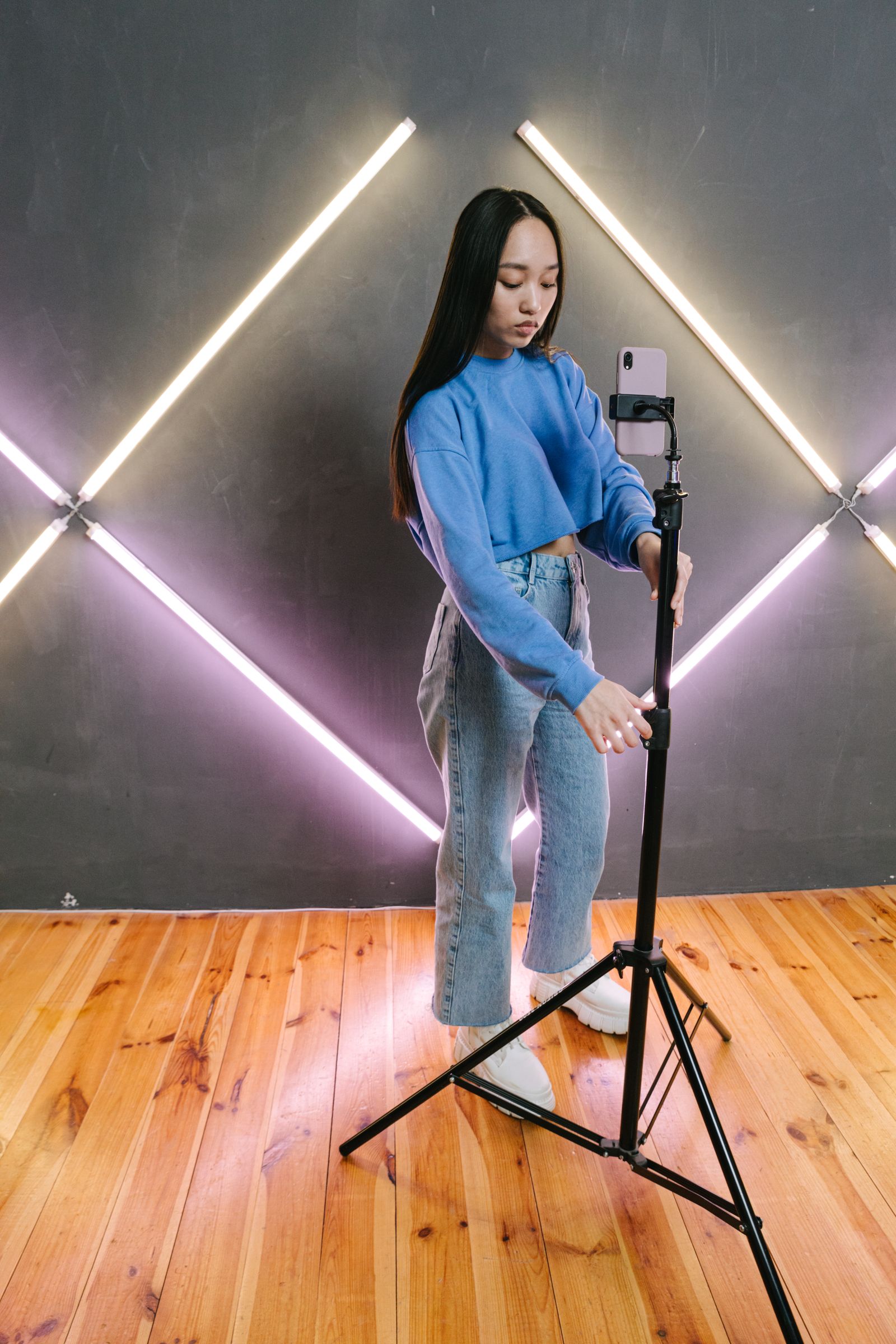
Brands pay everyday people, not influencers, for authentic-looking videos. Here's the real rate card, the platforms that matter, and how to land your first paid deal without a single follower.
Zero starting capital? These 10 real ways to earn money online in 2026 need no investment — with honest earning ranges in US dollars, realistic timelines, and exact first steps.
Oct 2, 2025·17 min read
Start here
New to this topic? These three guides are the fastest way to get up to speed.
Freelancing and Consulting: Trading Skill for High Hourly Rates
Freelancing is the fastest path to cash — no product to build, no audience to grow, just a skill someone will pay for. In 2026, high-demand skills command $75-300+/hour: specialized copywriting, B2B content strategy, conversion-focused design, React/TypeScript development, marketing automation setup, financial modeling, niche consulting (regulatory, sustainability, AI implementation). Start by packaging a specific outcome, not a generic service. "I write blog posts" → "I write SEO-optimized case studies that rank for B2B SaaS companies." Find clients where they hang out: Upwork for volume, LinkedIn for high-ticket, cold email for dream clients, referrals for sustainability. Charge project fees, not hourly — it aligns incentives and uncaps earnings. Expect 3-6 months to replace a $5K/month salary if you're disciplined; 12-18 months for $10K+. The ceiling is your capacity; the escape velocity is productizing or hiring.
Digital Products: Build Once, Sell Forever
Digital products — templates, courses, plugins, presets, printables, tools — have near-zero marginal cost. But "build once" is a myth; you build once, then market forever. The products that sell solve a specific, painful, urgent problem for a defined audience. A Notion template for "content calendar" is generic; "content calendar for B2B founders who publish 3x/week on LinkedIn" is specific. Validate before building: pre-sell to 10 people, or build a free version and gate the advanced one. Platforms: Gumroad (simple, 10% fee), Lemon Squeezy (merchant of record, handles EU VAT), Shopify (full control, more setup), your own site + Stripe (maximum margin, maximum friction). Price based on value delivered, not effort spent — a $500 course that saves 20 hours is a steal. Expect 6-18 months to $1K/month recurring; the compounding starts slow then accelerates.
Content and Audience Monetization: The Long Game
Building an audience is the highest-leverage, slowest-payoff path. You create free value consistently, earn trust, then monetize via sponsorships, affiliates, your own products, or premium subscriptions. Platform choice matters: newsletter (Substack, Beehiiv, ConvertKit) for direct relationship and ownership; YouTube for ad revenue + search discovery + high trust; LinkedIn for B2B authority and high-ticket leads; X for network effects and top-of-funnel; podcast for deep connection, hard discovery. Pick one primary, repurpose to others. Monetization timeline: 0-6 months = $0 (building), 6-18 months = first sponsorships/affiliates ($100-2K/mo), 18-36 months = product launches ($5K-50K/mo), 36+ months = media business ($100K+). The moat is consistency and specificity — "marketing tips" fails; "email marketing for DTC brands under $5M" wins.
E-Commerce and Physical Products: Margins, Logistics, Reality
Selling physical goods means inventory risk, shipping complexity, return rates, and platform dependence — but also tangible value customers understand instantly. Models: dropshipping (low margin, low control, saturated), private label (brand control, MOQs, 3-6 month lead time), handmade (premium pricing, doesn't scale), wholesale/retail arbitrage (time-intensive, thinning margins). In 2026, the viable path for solo founders: niche private label ($5-15K startup) or curated boutique (no manufacturing, strong curation). Amazon FBA handles fulfillment but takes 30-45% and owns the customer. Shopify + 3PL gives ownership but requires traffic acquisition. Unit economics rule: landed cost × 3-4 = retail price minimum. Test with 50-100 units before committing. Expect 12-24 months to profitability; most quit at month 6.
Platforms offer instant access to demand — Upwork, Fiverr, Toptal, 99designs for services; Etsy, Amazon Handmade, Redbubble for products; YouTube Partner Program, TikTok Creator Fund, Substack for content; Uber, DoorDash, TaskRabbit for local services. The trade-off: you rent the audience. Algorithm changes, fee hikes, account bans can zero your income overnight. Strategy: use platforms for cash flow and proof of concept, simultaneously build owned channels (email, website, direct clients). Diversify across 2-3 platforms minimum. Read terms of service — some claim IP rights, some forbid off-platform contact. Track hourly rate after fees; many "gigs" pay below minimum wage when you count unpaid time (proposals, revisions, commuting). Platform income is a bridge, not a destination.
Frequently Asked Questions
What's the fastest way to make $1,000 online?
Sell a service you already know how to do — freelance writing, design, coding, admin, tutoring. Post on Upwork, email 50 prospects, ask your network. First payment in 2-4 weeks typical. Not passive, not scalable, but real cash now.
How much money do I need to start a side hustle?
Service-based: $0-100 (tools, portfolio). Digital products: $50-500 (software, hosting, ads for validation). E-commerce: $2K-10K (inventory, ads, samples). Content: $0-200 (mic, lighting, hosting). Start with what you have; reinvest profits.
Should I quit my job to focus on my side hustle?
Only when side hustle income exceeds your expenses for 3+ consecutive months, you have 6 months expenses saved, and you have a written plan for replacing benefits (health insurance, retirement). The risk of zero income kills more ventures than competition.
How do I avoid scams and "get rich quick" schemes?
Red flags: guaranteed income, "secret system," pressure to buy now, no verifiable proof, seller makes money only from selling the course. Legitimate education teaches a skill; scams sell a dream. Check Reddit, Trustpilot, BBB before paying. If it sounds too good to be true, it is.
Can I really make passive income?
"Passive" means upfront work, ongoing maintenance. A course takes 200 hours to build, 5 hours/week to update and support. A rental property takes capital, 5 hours/month management. Dividend stocks take capital, zero time. True zero-effort income requires significant capital first. Build active income, then buy passive assets.
Pick Your Vehicle, Start Today
Analysis paralysis is the enemy. Read the guide that matches your situation. Pick one path. Commit to 90 days of consistent action. Track weekly: hours invested, dollars earned, lessons learned. Adjust. The money follows the value you create — start creating it.
Advertisement
Relevant ads will appear here once AdSense is connected.