10 Real Ways to Earn Money Online in 2026 (No Investment)
Zero starting capital? Ten honest, no-investment ways to earn online in 2026 \u2014 with realistic dollar ranges, timelines, and the exact first steps for each.
Relevant ads will appear here once AdSense is connected.
I still remember the night I made my first dollar online. It was $4.37 from a transcription test on Rev, earned at 2 a.m. in a cramped Mumbai apartment while my roommate snored through the wall. The audio file was a messy focus group about dish soap. I replayed a single sentence seven times because the moderator and two participants talked over each other.
That four dollars felt like winning the lottery. Not because of the amount \u2014 because it proved something nobody had told me: the internet actually pays regular people who show up and do the work.
Seven years later, I've watched hundreds of readers go from that same first payment to covering rent, quitting jobs, and building real businesses. The pattern is always the same. They pick one method. They stick with it past the awkward beginner phase. They treat it like a craft, not a lottery ticket.
1. Freelance Writing & Editing

Businesses are drowning in content demand. Blog posts, product descriptions, email newsletters, YouTube scripts, website copy \u2014 someone has to write all of it, and increasingly that someone is a freelancer working from home.
What it is: Writing or editing content for clients on a per-project or retainer basis. You're not an employee \u2014 you're a vendor selling words.
Who it's for: Anyone who writes clearly. Plain, correct English beats fancy vocabulary every time. Most clients would rather read a simple sentence than a clever one.
Realistic earnings: Beginners typically charge $8\u2013$25 per 1,000 words. Once you have ten good samples and a few five-star reviews, $40\u2013$120+ per 1,000 words is normal in niches like finance, SaaS, and health.
Start in four steps:
- Write three sample pieces (800\u20131,000 words each) in one niche you understand \u2014 personal finance, fitness, or tech are safe bets.
- Create free profiles on Upwork and Fiverr, and upload those samples as your portfolio.
- Send five tailored proposals a day for 30 days. Copy-paste proposals get ignored; two lines about the client's actual business get replies.
- Deliver the first three projects early and over-communicate. Early reviews are your real currency.
2. Virtual Assistance

A virtual assistant handles the admin work busy founders hate: managing inboxes, scheduling, data entry, booking travel, updating Shopify stores, formatting documents. It's unglamorous, and that's exactly why it pays \u2014 nobody wants to do it, everybody needs it done.
What it is: Remote administrative support for entrepreneurs and small businesses. Tasks vary wildly \u2014 one day you're managing a calendar, the next you're researching competitors or uploading products to Shopify.
Who it's for: Organized people with decent English and reliable internet. If your friends call you "the responsible one," you're qualified.
Realistic earnings: $4\u2013$10 per hour when starting. Experienced VAs with a niche (real estate, e-commerce, podcast production) charge $12\u2013$25 per hour.
Start in four steps:
- Write down five admin tasks you can already do well \u2014 email management, Excel, Canva, calendar scheduling, customer replies.
- Apply on Upwork and to VA agencies like Belay, Boldly, and Time Etc, which hand you clients instead of making you hunt.
- Offer your first client a free two-hour trial. One happy client who refers you is worth more than fifty cold applications.
- Document every process you touch. Your personal SOP library becomes your rate-raise leverage.
3. Digital Products

This is the closest thing to passive income on this list. You create a digital file once \u2014 a Notion template, a resume design pack, a budget spreadsheet, Lightroom presets, a short ebook \u2014 and sell it hundreds of times on Gumroad, Etsy, or Payhip. No inventory, no shipping, no customer support headaches beyond email.
What it is: Creating downloadable assets that solve a specific, repeatable problem. You build it once; the platform handles delivery.
Who it's for: Anyone who's solved a painful problem and can package the solution. Job application trackers, wedding planners, study templates, and small-business invoice sheets all sell steadily.
Realistic earnings: Expect $0 for the first few weeks. Then $60\u2013$600 a month once one product catches on. Sellers with a small catalog of proven products cross $2,500 a month. The range is wide because this one compounds \u2014 or doesn't.
Start in four steps:
- Pick one specific problem you've personally solved \u2014 the more boring, the better. Boring problems have buyers.
- Build the product in a weekend using free tools (Notion, Google Sheets, Canva).
- List it on Gumroad's free tier and share it genuinely in three Reddit or Facebook communities where that problem gets discussed. Don't spam; answer questions and mention your template when it helps.
- Collect feedback, update the product, and raise the price. Version 2 always sells better than version 1.
4. Online Tutoring

If you can explain one subject clearly \u2014 school maths, spoken English, Python basics, guitar chords \u2014 someone will pay to learn it from you. Platforms like Preply, Wyzant, Cambly, and italki connect tutors with students across time zones, which means a morning tutor in London can teach an evening student in New York.
What it is: One-on-one or small-group instruction over video. You set your schedule, your rate, and your subject.
Who it's for: College students, teachers, and working professionals with one strong subject. You don't need a teaching degree for most platforms \u2014 you need a short intro video and the ability to explain without confusing people.
Realistic earnings: $5\u2013$12 per hour for general subjects when starting. Test prep (SAT, IELTS, GRE) and coding tutors charge $15\u2013$35 per hour.
Start in four steps:
- Choose exactly one subject you could teach tomorrow without preparation.
- Register on two platforms with a two-minute intro video. Profiles with video get dramatically more inquiries than those without.
- Price yourself about 20% below the platform average for your first ten sessions. Early reviews are worth more than a few extra dollars right now.
- Build a simple lesson framework so every session follows a structure. Consistency gets rebookings.
5. Affiliate Marketing

You write honest reviews and comparisons, readers click your links, you earn a commission on what they buy. Amazon Associates, impact.com, Awin, and ShareASale all cost nothing to join.
What it is: Earning commissions by sending traffic to merchants. You create content that helps people decide what to buy; the tracking link credits you for the sale.
Who it's for: People who genuinely enjoy researching products before buying. If you're the friend everyone asks "which phone should I get?," this fits.
Realistic earnings: $0\u2013$50 a month for the first few months while traffic builds. Established niche sites earn $200\u2013$1,200+ a month. The top end is real but takes a year or more of consistent publishing.
Start in four steps:
- Pick a niche you actually spend money in \u2014 kitchen gear, budget tech, fitness, pet care.
- Publish ten detailed comparison posts on a free Medium blog, WordPress.com site, or even a dedicated Instagram page.
- Join two affiliate programs and add links only where they genuinely help the reader. Trust is the whole business model here.
- Track which posts drive clicks and double down on those topics. Data beats guesswork.
6. Print on Demand
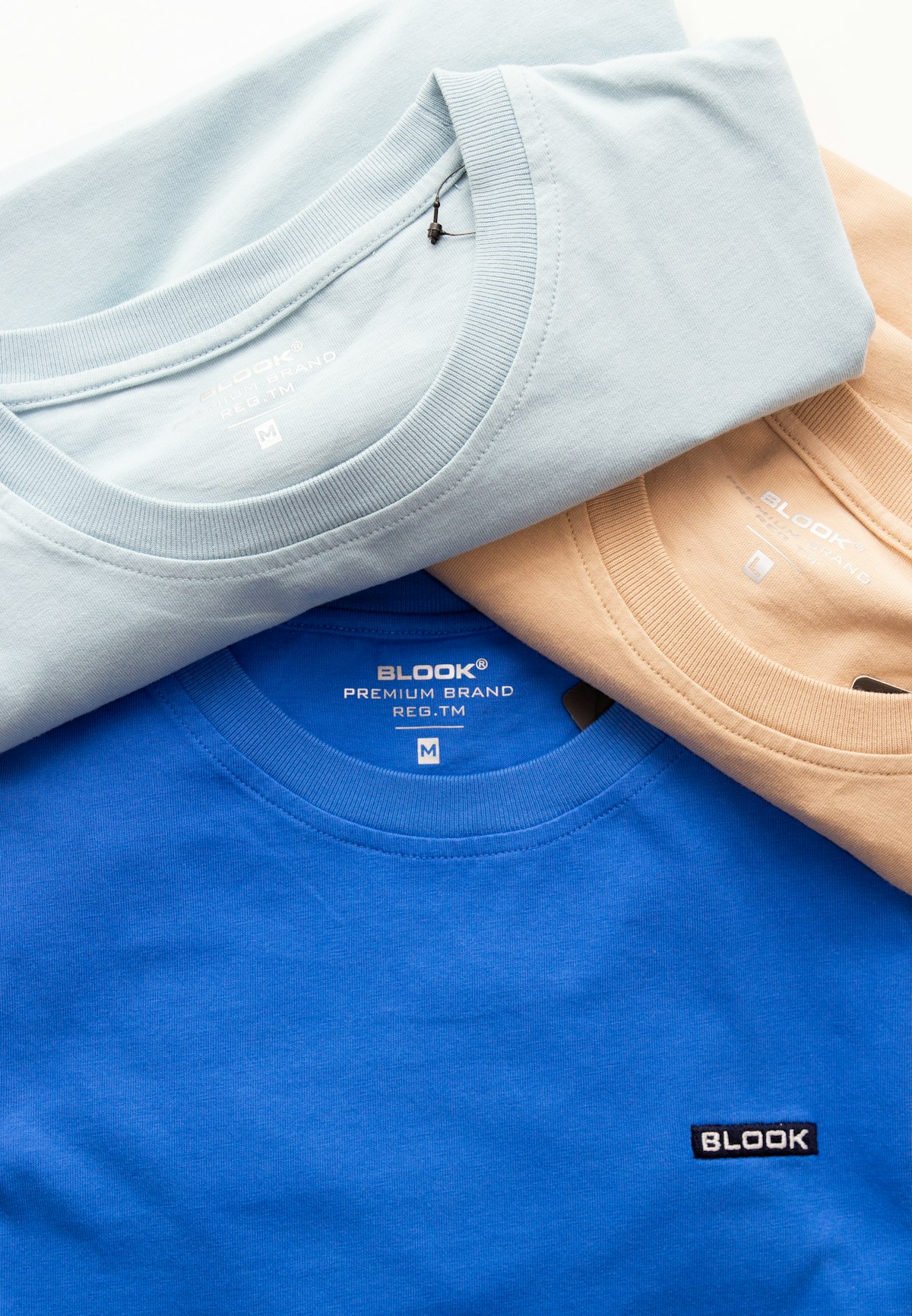
You upload designs \u2014 text quotes, simple graphics, niche jokes \u2014 to Redbubble, Spring, or Etsy connected to Printful or Printify. When someone orders a t-shirt or mug, the company prints it and ships it. You never touch a product.
What it is: Uploading artwork to a fulfillment platform that handles printing, packing, and shipping. You earn the margin between the base cost and your sale price.
Who it's for: Anyone with basic design sense. Canva's free tier is genuinely enough \u2014 most bestselling print-on-demand designs are simple text layouts, not art.
Realistic earnings: Beginners with 50+ designs typically see $25\u2013$250 a month. Earnings scale with catalog size; sellers with 500+ designs in tested niches do far better. It's a volume game.
Start in four steps:
- Create twenty simple designs in Canva over a weekend. Target specific niches: nurses, dog owners, gamers, teachers.
- Upload them to Redbubble and Spring (both free).
- Add five new designs every week. Winners emerge from volume \u2014 your tenth design might outsell your first fifty combined, and you can't predict which one.
- Study the bestseller tags on each platform and reverse-engineer what's actually selling.
7. Transcription & Captioning

Companies need audio and video turned into accurate text \u2014 interviews, podcasts, lectures, legal recordings. Platforms like Rev, GoTranscript, TranscribeMe, and Scribie pay per audio minute.
What it is: Converting spoken audio into written text, often with timestamps and speaker labels. Captioning adds sync to video.
Who it's for: Fast, accurate typists (60+ words per minute) with patience. A decent pair of headphones matters more than you'd think.
Realistic earnings: $0.30\u2013$1.10 per audio minute, depending on difficulty and turnaround. Full-time transcribers report $200\u2013$450 a month. Legal and medical transcription pays at the top of the range.
Start in four steps:
- Pass Rev's free grammar and transcription test \u2014 it's the fastest door in.
- Start with short, clear files. Your speed doubles in the first month; don't judge the hourly rate on day one.
- Specialize once you're comfortable. Legal, medical, and multi-speaker files pay premiums because fewer people can do them well.
- Invest in a foot pedal ($30\u2013$50) once you're earning consistently. It cuts keystrokes by 30%.
8. Instagram Management for Local Businesses
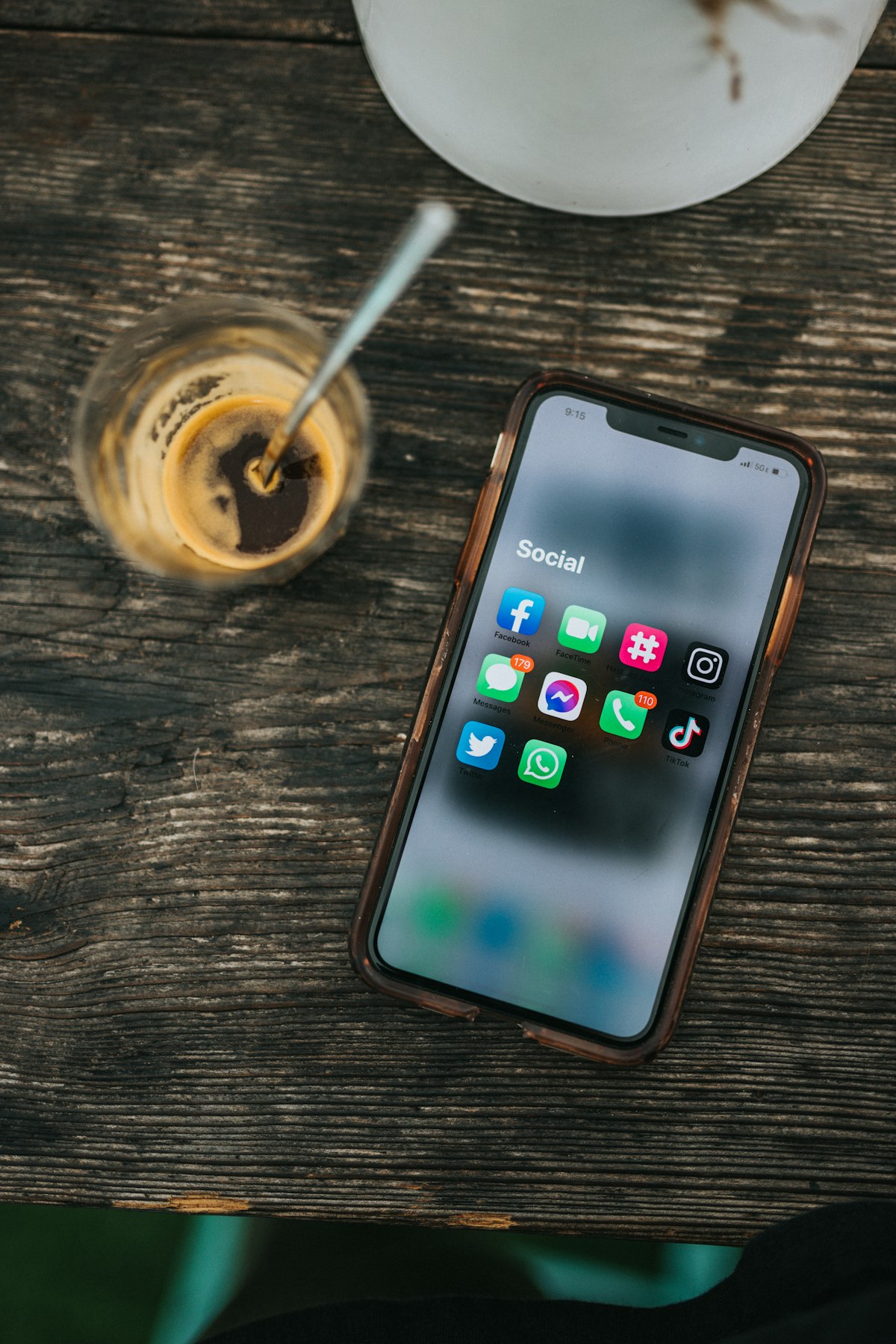
Walk past any market and you'll see the opportunity: the bakery with great cakes and 200 followers, the gym posting blurry photos once a month. Small businesses know they need Instagram; they don't have time to run it. That's the entire business model.
What it is: Managing content creation, scheduling, community replies, and basic growth strategy for local businesses on a monthly retainer.
Who it's for: Anyone under 35 who instinctively understands reels, trends, and what makes people tap follow. If you already spend two hours a day on Instagram, redirect one of them.
Realistic earnings: $100\u2013$300 a month per client on retainer. Three steady clients replace a full-time salary in many countries.
Start in four steps:
- Pick one local business and redo their Instagram presence as a free sample \u2014 three polished posts and a bio rewrite.
- DM or walk into twenty local businesses showing that sample. In-person beats DM every time.
- Charge a monthly retainer, not per post. Retainers give you predictable income and give the client a reason to keep you.
- Use a free scheduler like Later or Buffer so you batch content once a week instead of posting daily.
9. Stock Photography

This one surprises people. Shutterstock, Adobe Stock, and iStock all accept smartphone photos now, and buyers constantly need authentic images \u2014 busy street markets, small business owners, local festivals, everyday office life. Authentic everyday imagery has far less competition than generic corporate shots, which works in your favor.
What it is: Uploading photos to stock agencies that license them to marketers, designers, and publishers. You earn a royalty every time someone downloads your image.
Who it's for: Anyone with a decent phone camera and an eye for everyday moments. You don't need to be a photographer; you need to notice things.
Realistic earnings: $0.25\u2013$2 per download. A portfolio of 500+ quality images typically earns $60\u2013$400 a month passively. Upload once, earn for years.
Start in four steps:
- Shoot fifty photos of everyday life and work around you \u2014 shops, food, transport, hands at work. Authentic beats pretty.
- Submit to Adobe Stock and Shutterstock (both free, both review your first batch for quality).
- Upload a small batch weekly. Stock income compounds quietly; the photographers earning real money all say the first 200 photos were the hard part.
- Keyword ruthlessly. The difference between $0 and $200/month is almost always metadata, not photography skill.
10. User Testing

Companies pay ordinary people to use their websites and apps while thinking aloud. You record your screen, narrate your confusion honestly, and get paid. Platforms include UserTesting, TryMyUI, Userlytics, and dscout.
What it is: Recording your screen and voice while completing tasks on a website or app. You narrate every thought \u2014 "I'm looking for the checkout button," "This menu is confusing," "I'd expect the filter here."
Who it's for: Fluent English speakers with a microphone and the ability to narrate thoughts without going silent. If you talk to yourself while using apps, you're already trained.
Realistic earnings: UserTesting's published rates are $10 for a standard 20-minute test and $30\u2013$120 for live interviews. Realistically, expect $50\u2013$180 a month as a side gig \u2014 tests aren't unlimited, and you won't qualify for all of them.
Start in four steps:
- Sign up on UserTesting and TryMyUI (free).
- Take the practice test seriously \u2014 the number one rejection reason is going quiet. Narrate everything, even "hmm, I'm looking for the checkout button."
- Check for new tests daily and grab them fast. Good testers get invited to higher-paying live sessions.
- Keep a log of which test types you qualify for and optimize your profile tags to match.
Quick Comparison: Startup Cost vs. Time to First $ vs. Difficulty
| Method | Startup Cost | Time to First $ | Difficulty (1\u20135) |
|---|---|---|---|
| Freelance Writing | $0 | 3\u20136 weeks | 3 |
| Virtual Assistance | $0 | 2\u20134 weeks | 2 |
| Digital Products | $0 | 4\u201312 weeks | 3 |
| Online Tutoring | $0 | 1\u20133 weeks | 2 |
| Affiliate Marketing | $0 | 8\u201320 weeks | 4 |
| Print on Demand | $0 | 4\u20138 weeks | 2 |
| Transcription | $0\u2013$50 | 1\u20132 weeks | 3 |
| Instagram Management | $0 | 2\u20134 weeks | 3 |
| Stock Photography | $0 | 4\u201312 weeks | 2 |
| User Testing | $0 | 1\u20132 weeks | 2 |
For more ways to build income streams, explore our Earning hub, browse Business guides, or check out 10 AI Tools That Save Small Businesses 10+ Hours a Week.
Relevant ads will appear here once AdSense is connected.
Frequently Asked Questions
How fast will I earn my first dollar?
User testing and transcription can pay within one to two weeks. Freelance writing and virtual assistance usually take three to six weeks to land the first client. Digital products and affiliate marketing need two to four months. Anyone promising day-one income is selling you something, not teaching you something.
Do I have to pay tax on online income?
In most countries, yes \u2014 income earned online is taxable just like salary or business income, and it should be reported on your tax return. Keep records of every payment from day one (a simple spreadsheet works). Once the amounts grow beyond pocket money, spend an hour with a local tax adviser; it costs little and saves headaches.
Do these methods work wherever I live?
Almost all of them, yes. Upwork, Fiverr, Gumroad, Rev, UserTesting, Preply, and the stock photo sites operate globally and pay via PayPal, Payoneer, or direct bank transfer. A few platforms skew toward certain regions, but every method on this list has options that work internationally.
What's the biggest scam I should avoid?
Any "opportunity" that asks you to pay first \u2014 registration fees, training deposits, refundable starter kits, or paid "account activation." Real platforms never charge you to start earning. If the money flows from you to them before you've earned anything, walk away.
Is a laptop necessary, or can I manage with just my phone?
A phone is genuinely enough for user testing, social media management, and stock photography. But writing, transcription, and virtual assistance are miserable without a keyboard \u2014 a basic second-hand laptop pays for itself within the first month of any of those.
How many of these should I do at once?
One. The people who actually earn online pick a single method and give it 90 focused days. The ones juggling three methods usually quit all three. Depth beats breadth every time.
The One Thing to Do Today
You don't need ten income streams. You need one that works, started today instead of "someday."
So here's your single next step: pick the method from this list that fits your actual life \u2014 your skills, your free hours, your patience level \u2014 and open one tab right now to create your free account on its platform. Upwork, Rev, Gumroad, UserTesting, Preply \u2014 whichever matches. The account takes ten minutes. Everything else, including the first payment, follows from that one small, unglamorous action.
Relevant ads will appear here once AdSense is connected.