Your Savings Account Is Probably Paying You 0.38%. Here's the Fix.
The best high-yield savings accounts pay up to 4.50% APY in 2026. I moved my cash in 20 minutes and now earn over $700 a year doing nothing. Here is exactly how.
Relevant ads will appear here once AdSense is connected.
Three years ago I did the math on my savings account and felt physically sick. I had $18,400 sitting in the same big-bank savings account I opened in college. It was paying 0.01% interest. That is $1.84 a year. A gumball.
A friend asked me one question that changed everything: "Why is your emergency fund earning less than the coins in your couch?" That weekend I opened a high-yield savings account online. The whole thing took 20 minutes, most of it spent finding my routing number. The next month my interest payment was bigger than the previous three years combined.
This guide is the no-fluff version of everything I learned: what high-yield savings accounts actually are, which ones pay the most right now in 2026, how to pick without getting burned by teaser rates, and how to switch without missing a bill payment.
Why savings rates are the highest in years
The short answer: the Federal Reserve started raising interest rates again. At its September 2026 meeting, the Fed increased the federal-funds rate by 25 basis points, its first rate hike since 2023, and most officials signaled at least one more increase before year end. When the Fed raises rates, banks can charge more for loans, and competitive banks pass some of that along to savers.
The gap between the best and worst accounts right now is almost absurd. The average US savings account pays 0.38%, according to the FDIC. The best high-yield accounts pay up to 4.50% APY. On a $10,000 balance, that is the difference between $38 a year and $450 a year. Same money, same FDIC insurance, twelve times the interest.
Most people leave money in low-rate accounts for one reason: inertia. Switching feels like paperwork. It is not. Online banks built their entire business on making it take minutes.
What a high-yield savings account actually is
A high-yield savings account (HYSA) is a regular savings account that pays a much higher interest rate than the national average. There is no catch in the structure. Your money is FDIC-insured up to $250,000 per depositor, per bank, exactly like a traditional savings account. You can withdraw when you need to. The bank just operates mostly online, so it spends less on branches and pays you more instead.
The interest compounds daily or monthly. APY (annual percentage yield) already includes the effect of compounding, so you can compare two APYs directly. A 4.50% APY beats a 4.20% APY, full stop.
One thing to know: HYSA rates are variable. They move with the Fed. The 4.50% you see today could be 4.10% next quarter if the Fed cuts. That is normal and still roughly ten times the national average.
The best high-yield savings accounts of 2026
I compared the current rate tables from Bankrate, the Wall Street Journal, and the Motley Fool, all updated the week of May 28, 2026. Here are the standouts. Rates change, so treat these as a snapshot and always confirm the current APY before you open an account.
| Account | APY (Sept 2026) | Minimum to earn top rate | The catch |
|---|---|---|---|
| GO2bank savings vault | Up to 4.50% | $0 | Top rate only on balances up to $5,000; checking must stay active |
| Elevault | 4.34% | $0 | Newer brand, fewer extra features |
| NexBank (via Raisin) | 4.25% | $1 | Rate guaranteed 60 days, then floats |
| Axos ONE | Up to 4.21% | $1,500 avg balance | Needs $1,500/month in direct deposits |
| Happen Bank LevelUp | 4.20% | $0 | Top rate needs $250+/month in deposits, else 3.00% |
A few honest observations. GO2bank's 4.50% looks unbeatable until you notice the $5,000 cap. If you keep $20,000 in savings, most of it earns a lower rate, and a flat 4.25% account might pay you more overall. Do the multiplication on your actual balance, not the headline.
Promotional rates deserve skepticism. NexBank guarantees its rate for 60 days, E*TRADE for 6 months. After that you get whatever the standard rate is. Promos are fine if you set a calendar reminder to re-check, but do not pick a bank on a promo alone.
How to choose without falling for teaser rates
After the APY, four things matter more than most comparison articles admit.
1. FDIC insurance (non-negotiable)
Only put savings in an FDIC-insured bank or NCUA-insured credit union. Every account I listed above qualifies. If a fintech app offers 6% with no FDIC insurance, that is not a savings account, that is a risk you did not agree to.
2. Fees and minimums
The best accounts have no monthly fee and no minimum balance. Some charge if you fall below a threshold. A $12 monthly fee wipes out the interest on a $3,000 balance at 4.5%. Read the fee schedule, which takes about 90 seconds.
3. How you get money out
Check transfer times. Most online banks move money to your checking account in 1 to 3 business days. If your emergency fund lives here, make sure you have a plan for same-day needs, like keeping one month of expenses in your regular checking.
4. The app and support
You will use this account for years. A bank with a clumsy app will annoy you every single month. Skim recent app store reviews before committing.
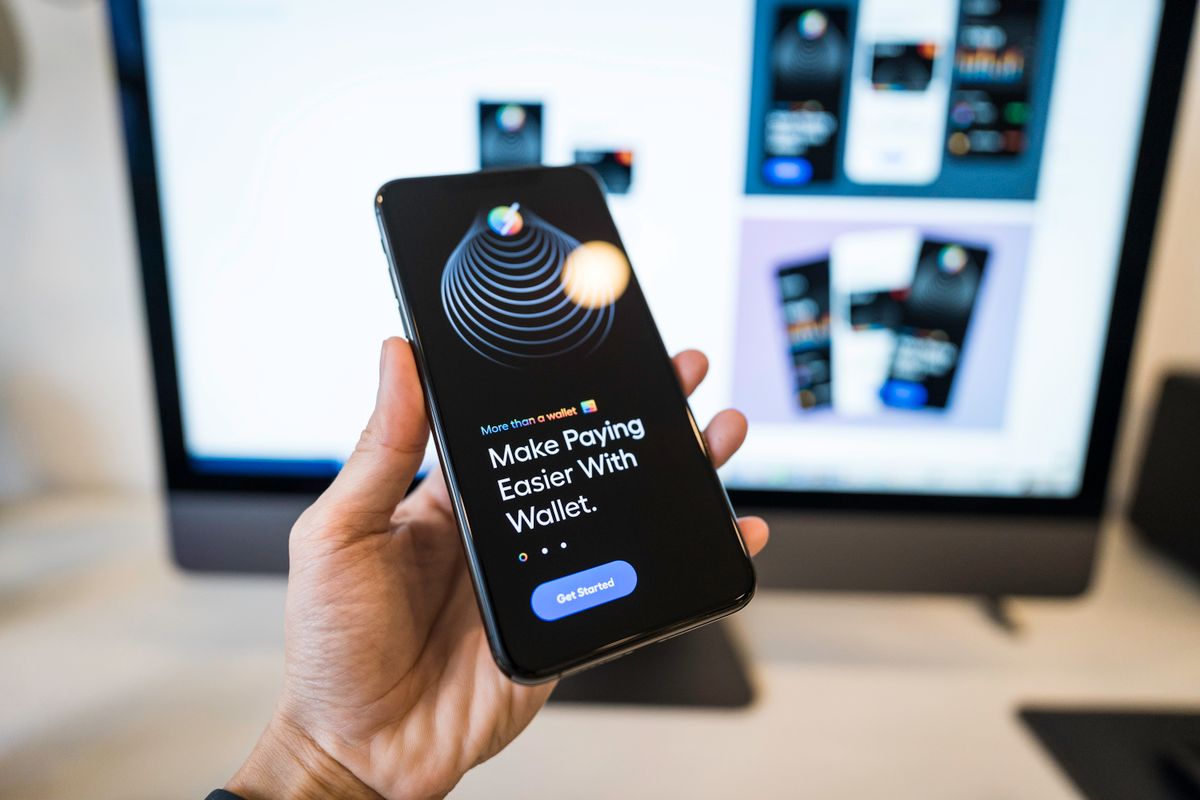
Switch in 20 minutes: the exact steps
Here is the process I used. It works the same at nearly every online bank.
Step 1: Open the new account (10 minutes)
You need your Social Security number, a photo ID, and your current bank's routing and account numbers. The application is a web form. Approval is usually instant.
Step 2: Link your old bank (3 minutes)
The new bank will ask you to connect your existing checking account, usually through a secure login. Then send a small test transfer, like $10, to confirm it works.
Step 3: Move the money in stages (5 minutes of clicking, 2 to 3 days of waiting)
Do not move everything on day one. Transfer half, confirm it lands, then move the rest. Keep your old account open with a small buffer until every automatic payment has cleared from the new setup.
Step 4: Redirect direct deposit and autopay (2 minutes each)
If your paycheck goes to the old account, update it with your employer. Move any automatic bill payments one at a time and watch the first cycle closely.
Where a HYSA fits in your money plan
A high-yield account is the parking spot, not the destination. It is perfect for money you need safe and reachable: your emergency fund, a house down payment you will need in two years, or taxes you are setting aside as a freelancer.
It is the wrong tool for long-term wealth building. Over decades, index funds have historically grown far faster than any savings rate, because you are trading safety for growth. The boring, correct setup most financial planners suggest: emergency cash in a HYSA, long-term money in low-cost index funds, and never the two mixed up.
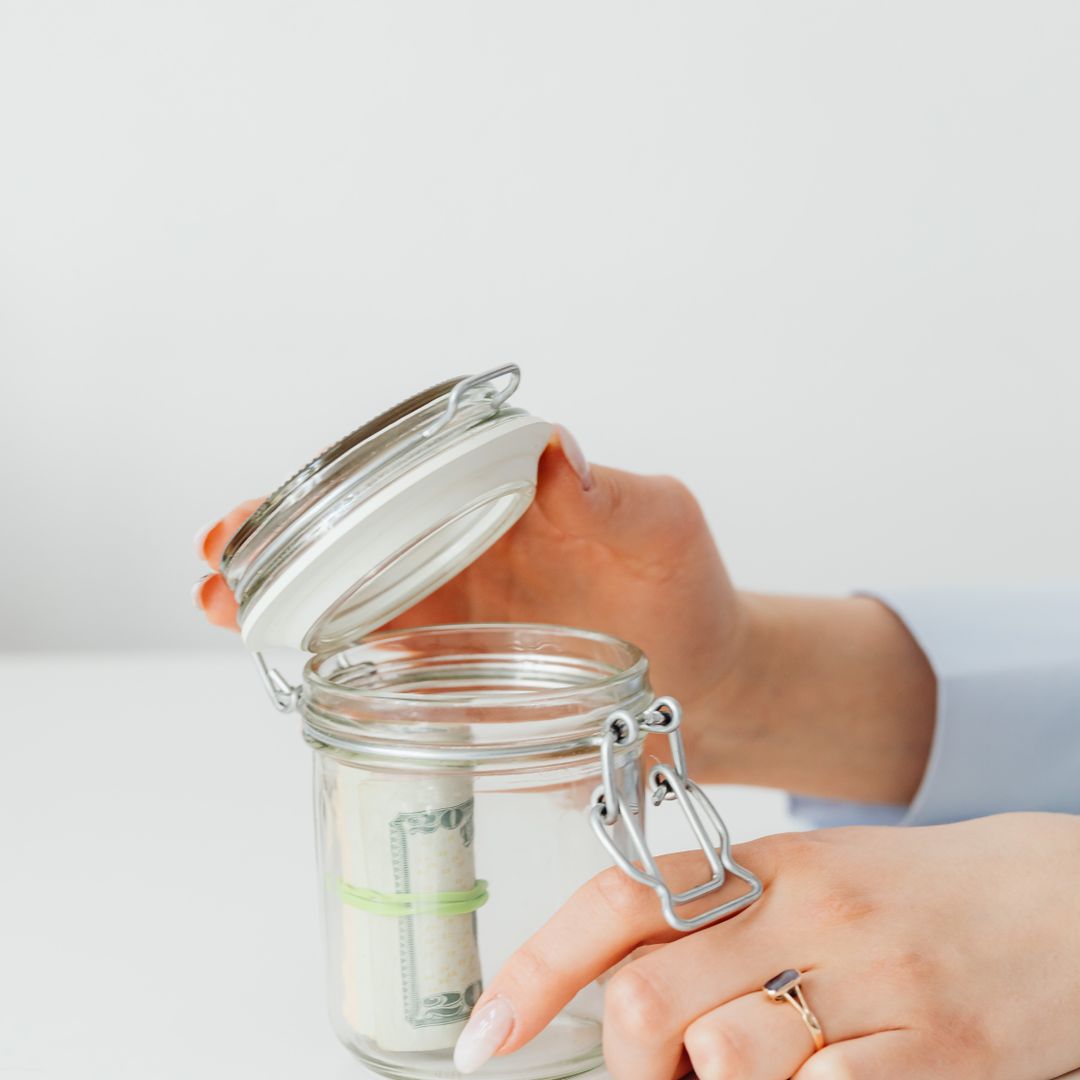
If you are starting from zero, do not wait until you have a big lump sum. Open the account with $25, set an automatic weekly transfer of whatever you can afford, and let the rate do the quiet work. I started a separate HYSA for travel with $50 a week. Eighteen months later it held $4,000 plus interest, and the trip was already paid for before I booked it.
Couples and families can run one HYSA per goal. One for emergencies, one for the kids' school fees, one for the car you know you will need in three years. Naming the accounts after the goal makes you far less likely to raid them.
5 mistakes that cost savers real money
Mistake 1: Chasing a promo and forgetting to leave. A 5% intro rate that drops to 3% after three months is worse than a steady 4.3%. Set a reminder or skip promos entirely.
Mistake 2: Ignoring the balance cap. A 4.50% rate capped at $5,000 earns you $225 a year maximum. Know what rate applies to your full balance.
Mistake 3: Keeping everything in checking "for convenience". Checking accounts pay near zero. Keep one month of expenses in checking and sweep the rest to the HYSA.
Mistake 4: Raiding the emergency fund for non-emergencies. A sale is not an emergency. If the money is one tap away, give the account a scary nickname and delete the app from your phone's home screen.
Mistake 5: Waiting for the "perfect" rate. People sat in 0.38% accounts for a year waiting for 5%. They lost hundreds of dollars waiting. A good rate today beats a perfect rate someday.
Relevant ads will appear here once AdSense is connected.
FAQ
Are high-yield savings accounts safe?
Yes, as long as the bank is FDIC-insured (or the credit union is NCUA-insured). Your deposits are protected up to $250,000 per depositor, per institution. Verify insurance on the FDIC's BankFind tool before opening any account.
Can I lose money in a high-yield savings account?
Not from market risk, because the balance does not go up and down with markets. The real risk is inflation quietly shrinking your purchasing power, and fees eating the interest. Pick a no-fee account and you keep everything you earn.
How is a HYSA different from a CD?
A certificate of deposit locks your money for a fixed term (3 months to 5 years) and usually pays a bit more. A HYSA keeps your money liquid. Use a CD for money you know you will not need before a date; use a HYSA for everything else.
Do I pay taxes on the interest?
Yes. Savings interest is taxed as ordinary income in the US. Your bank sends a 1099-INT if you earn $10 or more. It still beats earning nothing, but do not spend the gross amount in your head.
Can I open a HYSA if I live outside the US?
Most US online banks require a US address and Social Security number. UK readers have strong equivalents like Chip and Marcus UK; in India, sweep-in fixed deposits and high-interest savings tiers from banks like IDFC First serve a similar role. The principle is identical everywhere: cash should earn its keep.
What happens to my rate if the Fed cuts?
Your APY will drift down, usually within a few weeks of a Fed cut. That is normal. Even after cuts, top HYSAs have historically paid many times the national average. Re-check your rate twice a year and move if your bank gets lazy.
Start today: your 20-minute win
You do not need a finance degree or a big balance. You need twenty minutes, your ID, and the willingness to stop donating interest to your bank's shareholders. Pick one account from the table above, open it, move your idle cash, and set one automatic transfer. A year from now you will have hundreds of extra dollars you did nothing to earn, which is exactly the point.
Then put that cash to work properly: build a real emergency fund, and once the safety net is full, start putting long-term money into index funds. That two-step setup, boring as it sounds, is how most quiet millionaires actually did it. Explore more guides in our Finance hub.
This article is educational, not financial advice. Rates change frequently; verify current APYs and terms before opening any account.
Relevant ads will appear here once AdSense is connected.