Index Funds for Beginners: The Boring Investment That Actually Works
I lost $2,300 picking stocks in 2021. Then I switched to index funds, automated $400 a month, and stopped thinking about it. The boring guide I wish someone handed me first.
Relevant ads will appear here once AdSense is connected.
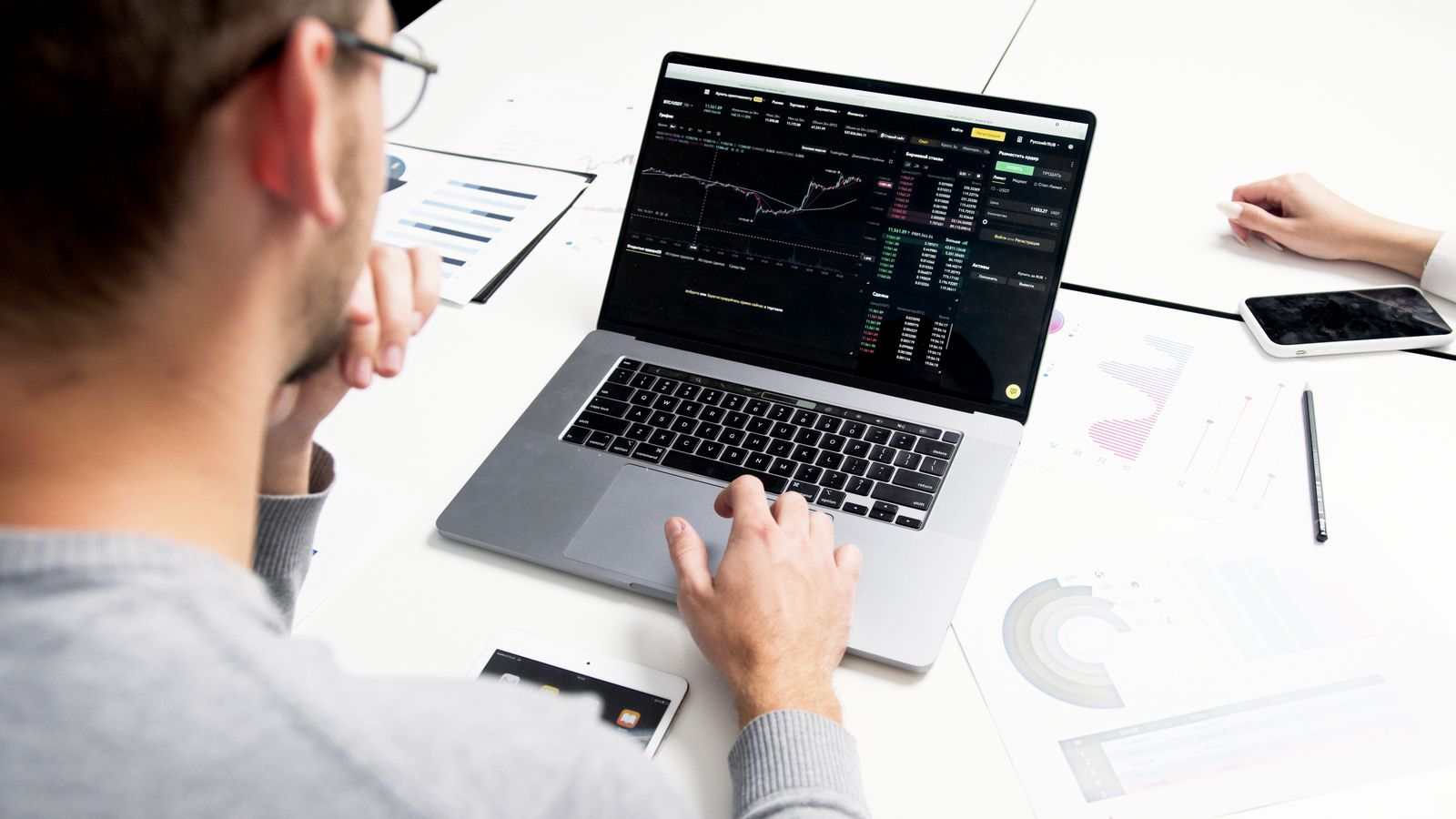
In 2021 I was convinced I could pick winning stocks. I bought five companies I "believed in," checked prices every morning like a nervous habit, and sold most of them within a year. Final score: down $2,300 and about forty hours of my life I will never get back.
The embarrassing part is that the alternative was sitting right there the whole time. While I was gambling on individual stocks, a single index fund holding the entire US market quietly did what it always does. I eventually moved everything into two index funds, set an automatic monthly investment, and deleted the brokerage app from my phone's home screen. My returns got better the moment I stopped trying to be clever.
This is the beginner's guide I wish existed when I started: what index funds are, why they beat almost every professional, which ones to actually buy, and how to start with $100.
What an index fund actually is (30-second version)
An index fund is a basket that holds hundreds or thousands of stocks at once and mirrors a market index, like the S&P 500. Buy one share and you instantly own a tiny piece of Apple, Microsoft, Nvidia, and about 497 other large American companies. When the overall market grows, your investment grows with it.
The magic ingredient is the fee, or rather the lack of one. A typical index fund charges around 0.03% per year. A typical actively managed fund, where a professional picks stocks for you, charges around 1%. That gap sounds small. Over 30 years, it is the difference between keeping your gains and donating a quarter of them to a fund manager.
Most index funds beginners buy are ETFs (exchange-traded funds), which trade like stocks during the day. For a long-term investor the distinction barely matters. Low fee, broad market, done.
Why beginners beat pros with index funds
This is the part that sounds too good to be true, so let me give you the data. Every year, S&P Global publishes the SPIVA scorecards, which compare actively managed funds against their benchmarks. Year after year, the large majority of professional fund managers fail to beat a simple index over 10- and 15-year periods. In many categories, 85 to 90% of pros lose to the index over 15 years.
Read that again. People with Bloomberg terminals, research teams, and finance PhDs lose to a fund you can buy in your pajamas. The reason is mostly fees and turnover. Every trade costs money, and those costs compound against the manager. The index fund barely trades at all.
There is a second, quieter advantage: behavior. The average investor earns far less than the funds they own because they buy after rallies and sell during crashes. An automated monthly investment into an index fund removes your worst enemy from the equation, which is you on a bad news day.
The only funds most beginners need
You do not need twelve funds. You need one to three. Here is the simple menu the evidence supports.
Option A: One total-market fund (simplest)
A total US stock market fund like VTI (Vanguard Total Stock Market ETF) holds over 3,500 American companies, large and small. One purchase and you own the whole US market. Expense ratio: 0.03%. This alone is a complete stock portfolio for most beginners.
Option B: US plus international (my pick)
Add an international fund like VXUS (Vanguard Total International Stock ETF) for companies outside the US. A common split is 70% US and 30% international. The US has dominated lately, but leadership rotates across decades, and international exposure is cheap insurance.
Option C: A target-date fund (most hands-off)
Pick the fund with the year closest to your retirement, like a "Target Retirement 2060" fund. It automatically holds US stocks, international stocks, and bonds, and slowly gets more conservative as you age. Slightly higher fee (around 0.08 to 0.15%), zero decisions required.
| Approach | What you buy | Typical fee | Best for |
|---|---|---|---|
| One total-market ETF | VTI or equivalent | ~0.03% | Beginners who want simple |
| US + international | VTI + VXUS | ~0.04% | Slightly more diversification |
| Target-date fund | One fund, auto-adjusts | ~0.08–0.15% | True set-and-forget |
| Individual stocks | Hand-picked companies | $0 + your time | Almost nobody, honestly |
Where to buy: the account order that saves you taxes
What you buy matters less than where you buy it. The account type decides how much tax you pay, and the right order can save you tens of thousands over a career.
Step 1: Grab any employer 401(k) match
If your job matches retirement contributions, contribute enough to get the full match before investing anywhere else. A 50% match is an instant 50% return. Nothing in the market competes with free money.
Step 2: Fund a Roth IRA
A Roth IRA lets your money grow tax-free forever (in the US, up to the annual contribution limit, $7,000 for most people in 2026). You pay tax now, never again. For young beginners, this is usually the best account in existence.
Step 3: Go back and max the 401(k)
After the Roth, increase 401(k) contributions toward the annual max if you can. Then, and only then, use a regular taxable brokerage account.
UK readers: the same logic applies with a Stocks & Shares ISA (tax-free growth, £20,000 annual allowance). In India: PPF and ELSS for tax-advantaged routes, plus direct index mutual funds with expense ratios under 0.2%.
How much to start and how to automate it
You can start with $100. Every major brokerage now offers fractional shares, so a $500 share price is no barrier. What matters is the habit, not the amount. Someone investing $200 a month from age 25 will very likely end up with more than someone investing $800 a month from age 40, because compounding rewards time above all.
Automation is the whole game. Set a monthly transfer for the day after payday. The money invests before you can spend it or second-guess it. I have not manually bought an investment in three years, and my portfolio has never been healthier.
A realistic starter plan: $400 a month into a Roth IRA holding one total-market fund. That is $4,800 a year. Kept up for 30 years at a plausible 7% average annual return, that grows to roughly $490,000. The contributions total $144,000. The other $346,000 is compounding doing the heavy lifting while you live your life.
Increase the amount whenever your income rises. A good rule: save half of every raise. Your lifestyle still improves, and your future self gets the other half.
Index investing vs. day trading: an honest comparison
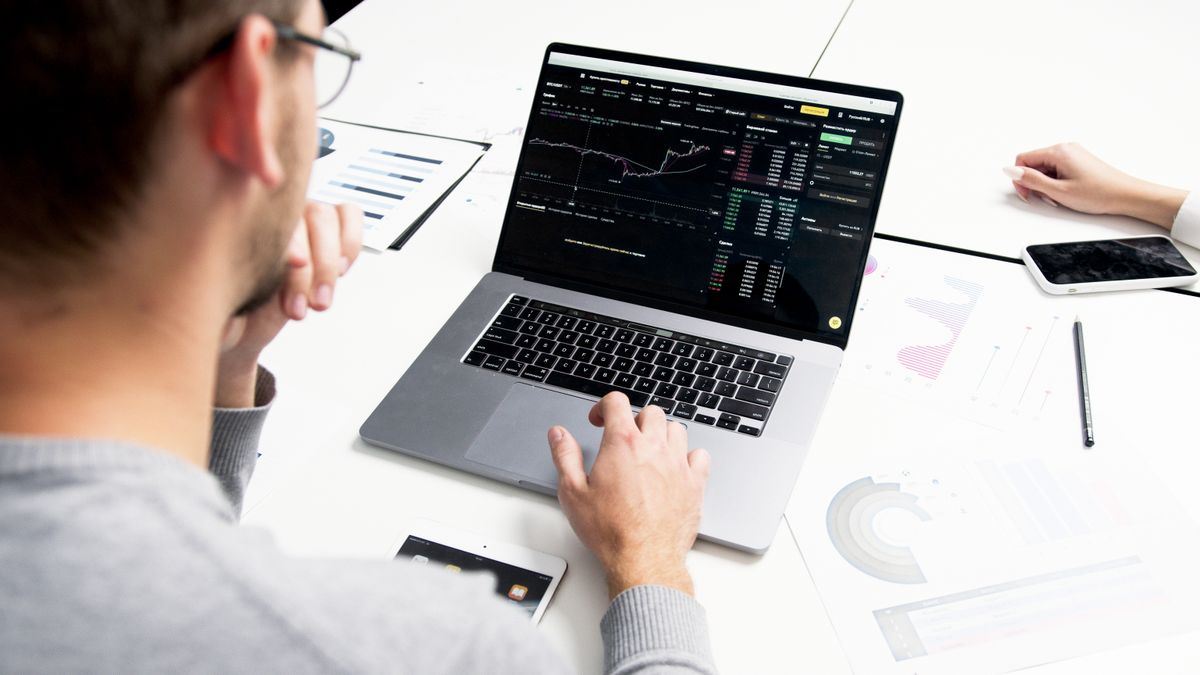
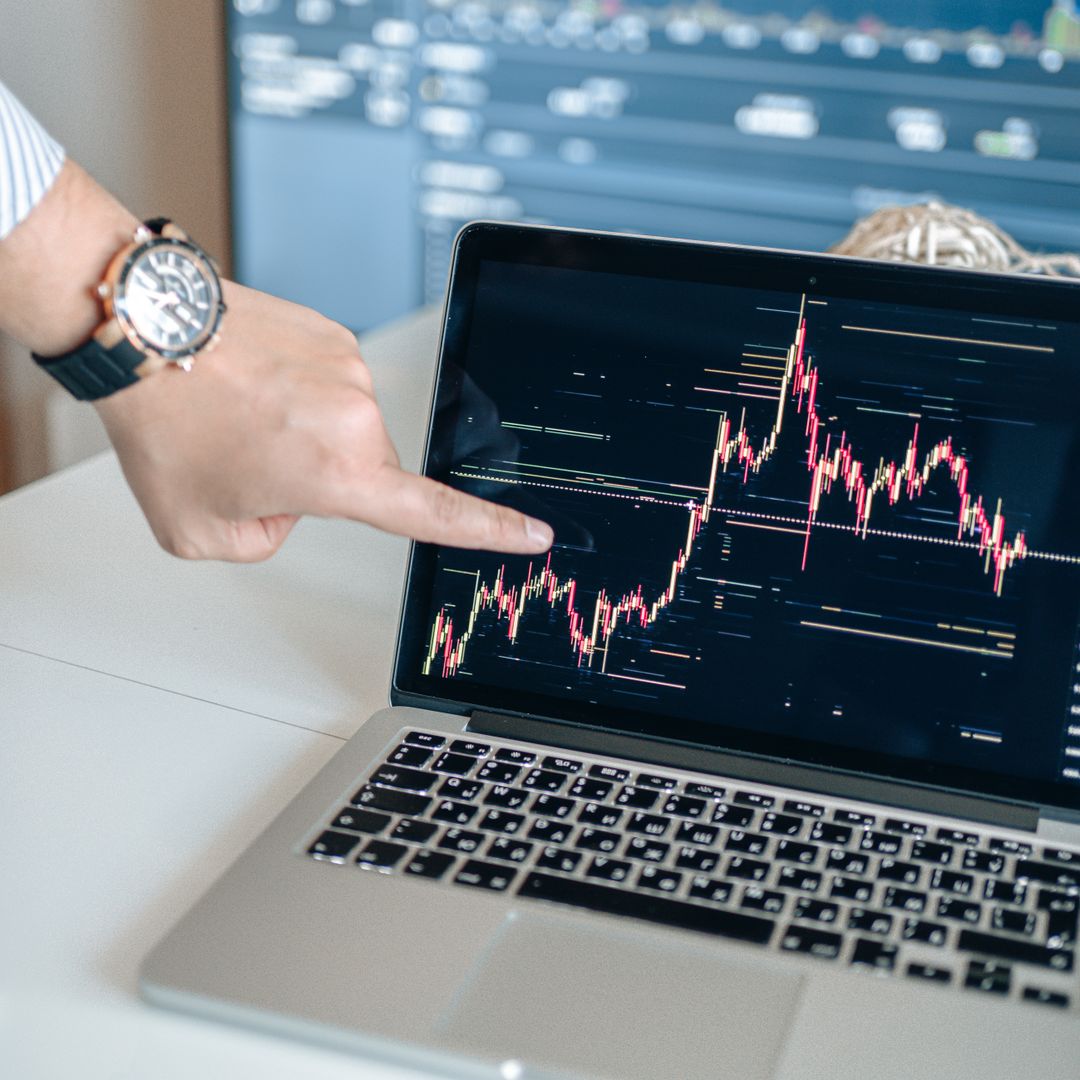
Those multi-monitor trading setups look exciting. Here is what they actually involve: staring at charts for hours, paying taxes on short-term gains at higher rates, and competing against algorithms that react in microseconds. Studies of retail trading accounts consistently find the large majority lose money.
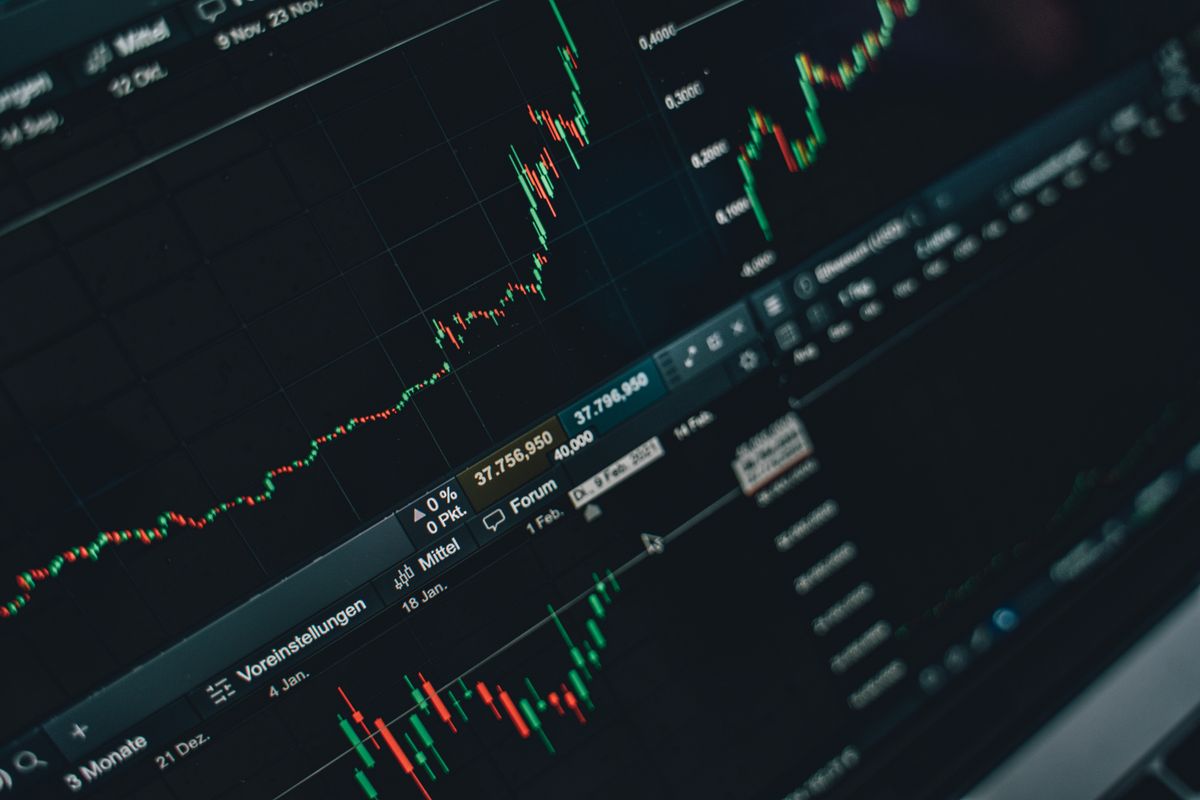
Index investing asks for twenty minutes to set up and then benign neglect. You will never get an adrenaline rush from it. You will also never blow up an account at 2 a.m. because a CEO tweeted something. For money you actually need, boring is a feature.
If trading fascinates you, quarantine it. Keep 90 to 95% of investments in index funds and allow yourself a small "play" account with money you can afford to lose. Many people find the urge fades once the play account underperforms the boring one for a year.
Mistakes that quietly cost beginners thousands
Mistake 1: Paying 1% fees. On a $100,000 portfolio growing for 30 years, a 1% annual fee versus 0.03% costs you roughly a quarter of your final balance. Fees are the one return you can control with certainty.
Mistake 2: Waiting for the "right time". There is always a scary headline. Money invested during scary headlines has historically done fine. Time in the market beats timing the market.
Mistake 3: Checking daily. Daily prices are noise. Checking often makes you trade more and earn less. Monthly or quarterly is plenty.
Mistake 4: Buying what is hot. By the time your barber is pitching a sector, the easy gains are gone. Broad funds do not have this problem because they own everything.
Mistake 5: Skipping the tax-advantaged accounts. Buying the right fund in a taxable account when a Roth was available is leaving money on the table every single year.
Relevant ads will appear here once AdSense is connected.
FAQ
How much money do I need to start investing in index funds?
As little as $1 at brokerages with fractional shares, though $100 makes the habit feel real. The amount matters far less than starting early and investing consistently. Automate a monthly contribution and increase it with raises.
Are index funds safe?
They carry market risk: the value drops when markets drop, sometimes 20 to 50% in a bad year. They do not carry the risk of a single company going bankrupt wiping you out. Over holding periods of 10+ years, broad market index funds have historically always recovered and grown.
VTI vs VOO: which should I pick?
VTI holds the entire US market (large, mid, and small companies); VOO holds only the S&P 500's 500 large companies. Performance is very similar. VTI is slightly more diversified. Either is an excellent core holding.
Should I invest a lump sum or spread it out?
Statistically, investing a lump sum immediately wins about two-thirds of the time because markets rise more often than they fall. Psychologically, spreading it over a few months helps nervous beginners sleep. Both beat sitting in cash for a year waiting for a dip.
Do index funds pay dividends?
Yes. Broad market funds typically yield around 1.3 to 1.5% annually in dividends. Reinvest them automatically (turn on DRIP) so compounding works on the full amount.
When should I sell my index funds?
Ideally, when you need the money for the goal you set: retirement, a house down payment in 10 years, and so on. Rebalance once a year to keep your US/international split on target. Selling because of news headlines is how returns get destroyed.
Your move: twenty minutes, then forget it
Here is the entire plan on an index card: open a Roth IRA (or ISA), buy one total-market index fund, automate a monthly contribution, and do not touch it for a decade. That is it. No stock tips, no market timing, no 6 a.m. chart sessions.
Before you invest a dollar, make sure the foundation is set: kill high-interest debt, park your safety cash in a high-yield savings account, and build a real emergency fund. Investing works best when a surprise bill cannot force you to sell at the worst moment. For the full picture, browse our Finance hub.
This article is educational, not financial advice. All investing involves risk, including loss of principal. Consider your situation or consult a licensed professional before investing.
Relevant ads will appear here once AdSense is connected.