Burnout-Proof: A Founder's Operating System for Stress
Burnout isn't a badge of honor. It's a systems failure. After my own crash, I built an operating system for stress: boundaries, recovery rules, and workload limits that actually hold.
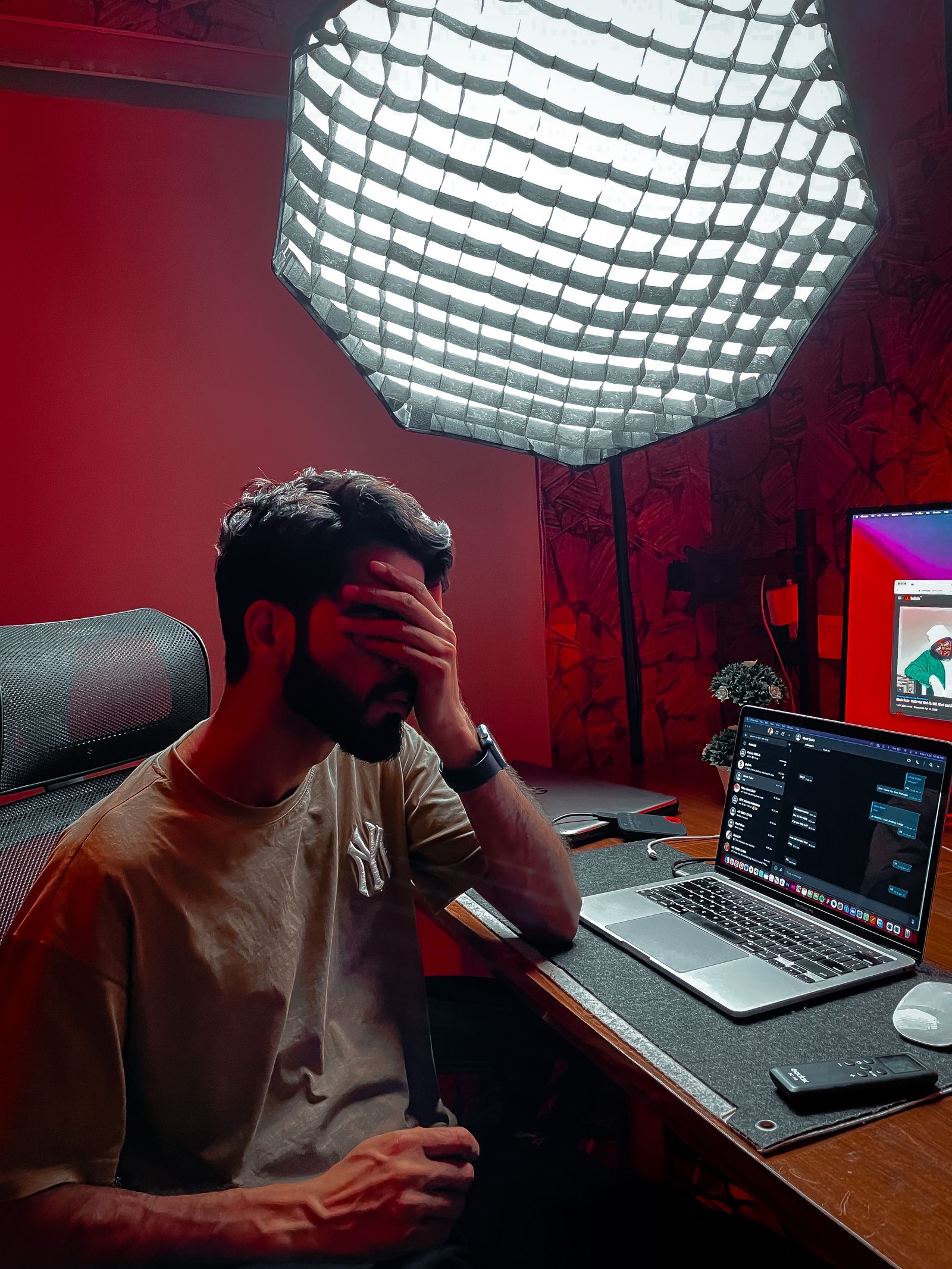
Relevant ads will appear here once AdSense is connected.
Nobody clapped when I burned out. That's the part the hustle stories leave out. There was no dramatic collapse, no hospital visit. Just a slow leak over eight months until one morning I sat in my car outside the office for twenty minutes, unable to make myself go in. Not because anything was wrong. Everything was technically fine: revenue growing, team solid, product shipping. I just had nothing left. The tank wasn't low. It was dry, and it had been dry for months while I kept driving.
The World Health Organization classifies burnout as a syndrome resulting from chronic workplace stress that has not been successfully managed, with three dimensions: exhaustion, mental distance or cynicism about the job, and reduced professional efficacy. I had all three and a founder's special bonus: guilt about having them, because "I chose this life." That guilt kept me from fixing it for months. Don't make my mistake.
Recovery took about four months, and rebuilding took longer. But the system I built during recovery. The one in this post. Has held for two years through launches, a funding round, and a team doubling. It's not about working less. It's about building stress management into the operating system of your week so you never run dry again. This is general wellness information from my experience; if you're experiencing persistent hopelessness or can't function day-to-day, please talk to a mental health professional. That's not a willpower problem.
1. What burnout actually is
Burnout is not being tired. Tired is fixed by a weekend. Burnout is what happens when the gap between what your work demands and what you can sustainably give stays open for months. The WHO's three dimensions are worth memorizing because they give you an early-detection system: exhaustion (you're depleted no matter how much you rest), cynicism (you feel detached or negative about work you used to care about), and inefficacy (you can't concentrate, and simple tasks feel hard).
Founders are high-risk for a structural reason: we have infinite responsibility with finite recovery. An employee can have a bad quarter; a founder feels every bad quarter as personal failure. Add the identity fusion. "I am my company". And rest starts feeling like betrayal. Burnout prevention advice for remote workers increasingly emphasizes boundaries over vacations, and founders need that message most: the problem isn't that you never take a holiday, it's that Tuesday through Sunday all look the same.
2. The warning signs I ignored
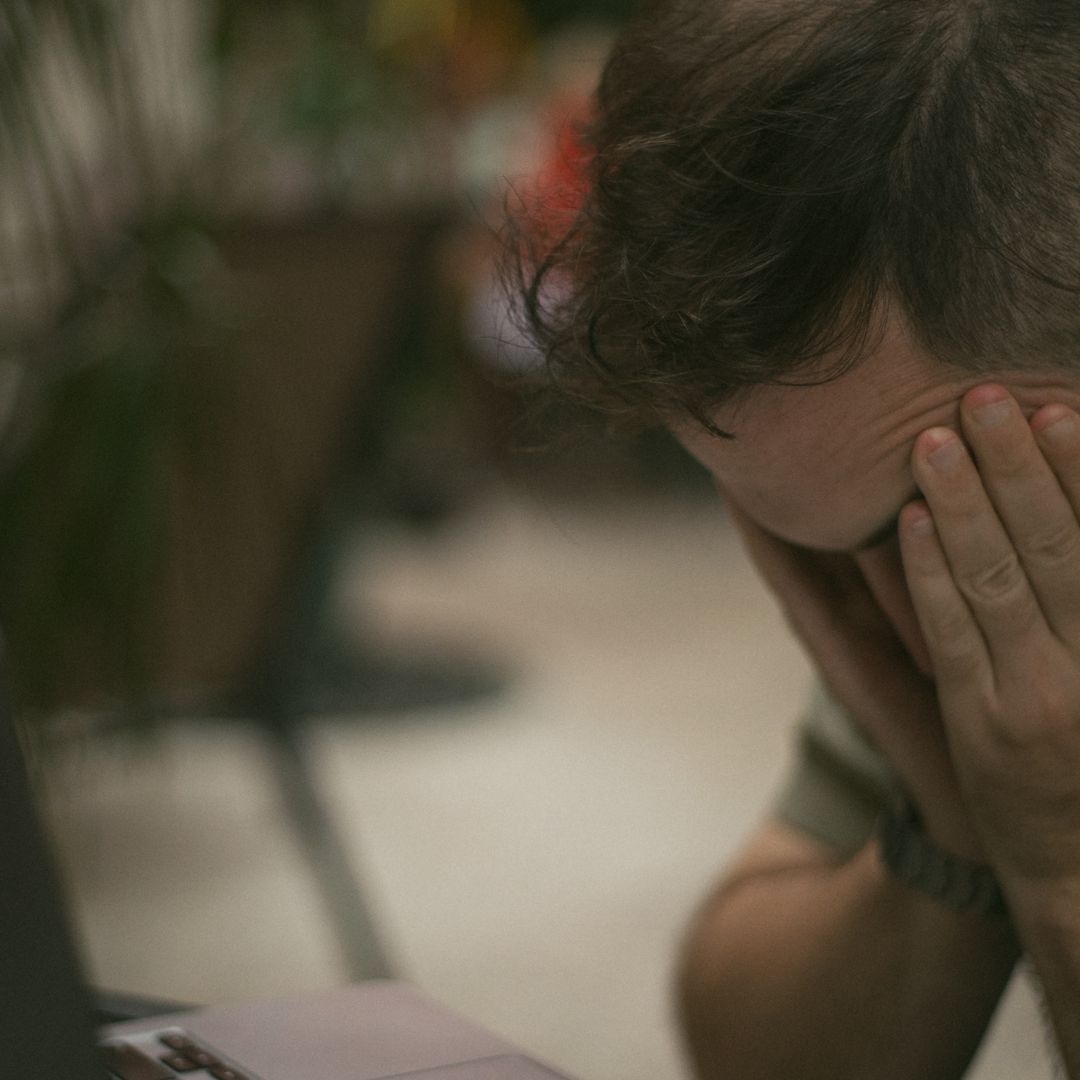
Looking back, the signals were obvious for at least six months. I told myself each one was temporary. Here's my personal checklist. If three or more sound familiar, take this post seriously:
Sunday-night dread that starts Saturday afternoon. A short fuse with people you like. I snapped at my co-founder over a calendar invite. Decision fatigue by 11 a.m.. Choosing lunch felt as hard as choosing a pricing model. Phantom work. Checking email at midnight "just in case," then lying awake about what you found. Joy erosion. Wins stopped registering; a big client signing felt like nothing. Physical static. Tension headaches, shallow breathing, jaw clenching, the 3 p.m. Crash that coffee couldn't fix.
The most dangerous sign was the last one I noticed: fantasizing about quitting something I loved. Not because the business was bad, but because I couldn't imagine feeling rested inside it. That's the cynicism dimension talking, and it's the clearest signal that the system. Not you. Needs fixing.
3. The shutdown system
Burnout is fueled by work that never ends. Not in volume, but in time. When your brain can't tell whether the workday is over, it never fully powers down, and "rest" becomes low-grade work anxiety in a different chair. The fix is a hard shutdown: a non-negotiable end time after which work is simply closed, the way a shop closes.

Mine is 7 p.m. At 6:45, a calendar alert fires. I spend 15 minutes on the shutdown ritual from our sleep protocol. Brain dump, tomorrow's top three, close all tabs. Then the laptop goes in a drawer. In a drawer, not on the desk. Out of sight is measurably out of mind. The first two weeks felt like breaking a law. By week four, 7 p.m. Felt like freedom.
Two rules make the shutdown real. First, notifications: work apps lose notification privileges after 7 p.m. And don't get them back until 8 a.m. If something is truly urgent, people can call. And in two years, nobody has. Second, the "one tab" rule for weekends: I allow myself one 30-minute work window on Sunday evening to clear anything genuinely urgent, scheduled in advance. Bounded, predictable, and it kills the background hum of "I should check."
4. Workload rules that hold
Boundaries on time mean nothing if the workload inside those hours is infinite. Founders don't have managers to protect their capacity, so you need explicit rules. Mine are written down. Vague intentions don't survive a busy Monday.
Rule 1: Three priorities per day, max. Every morning I pick three outcomes that would make the day a win. Everything else is bonus. This forces the real prioritization that "I'll do everything" avoids, and it ends the day with a sense of completion instead of a sense of drowning.
Rule 2: Every yes needs a no. New project, partnership, or feature request? It replaces something, or it's a no. I keep a visible "not doing" list, which makes the trade-off concrete instead of letting new commitments stack invisibly on top of old ones.
Rule 3: Default to async. I converted most recurring meetings to written updates. A 30-minute status call becomes a 5-minute read, and the calendar stops fragmenting the day into useless 25-minute shards. Deep work needs 90-minute blocks; I protect two per day like client meetings.

Rule 4: Offload the repeatable. I audited my week and found six hours of tasks I'd done identically for months. Reporting, scheduling, inbox triage, first-draft writing. Software tools and simple templates now handle most of it. Every hour of repetitive work you automate is an hour of decision-fatigue you don't accumulate.
5. Real recovery (not scrolling)

Here's the uncomfortable truth about my pre-crash "rest": it was two hours of phone scrolling that left me more tired than work had. Passive consumption isn't recovery. It's stimulation wearing a rest costume. Real recovery has three ingredients researchers keep finding: physical movement, genuine social connection, and mastery experiences (doing something you're good at, unrelated to work).
My weekly recovery budget is non-negotiable: three strength sessions, one long walk (see the 9,000-step system), one dinner with friends where work talk is banned, and one hobby block. I cook an elaborate meal every Sunday, badly but happily. Total: about six hours a week. That's less time than I used to spend doomscrolling, and the return is incomparable.
The hobby matters more than you'd think. Founders tie their entire identity to the company, so a bad week at work becomes a bad week as a person. A separate domain where you're competent. Cooking, music, woodworking, running. Gives your self-worth somewhere else to live. When the company wobbles, you don't.
6. The 30-minute weekly review
Systems decay. The weekly review is the maintenance: 30 minutes every Friday afternoon with four questions. Energy: rate the week 1–10 and note what drained versus fueled you. Load: is next week's calendar survivable, or does something need to move? Recovery: did I actually do the recovery blocks, or did work eat them? One change: what's the single smallest fix for next week?
This review caught my last two near-relapses months before they would have become crises. Both times the pattern was identical: recovery blocks quietly rescheduled "just this once," three weeks in a row, energy score sliding from 7 to 4. The fix was boring. Restore the blocks, say no to one thing. Boring fixes applied early beat dramatic interventions applied late. That's the whole philosophy of this post.
| Burnout myth | Reality |
|---|---|
| A vacation will fix it | Two weeks off helps for about two weeks back. Without system changes, burnout returns within a month. |
| Burnout means you're weak | It means your workload exceeded your recovery for months. High performers burn out most. They push longest. |
| Just work fewer hours | Hours matter less than control, fairness, and recovery quality. A 50-hour week with boundaries beats a 40-hour week without them. |
| Push through; it'll pass | Untreated burnout deepens. The WHO classifies it as an occupational syndrome. Treat it like the health issue it is. |
| Quitting is the only fix | Most founders recover inside the same company by fixing the system: boundaries, workload rules, real recovery. |
Relevant ads will appear here once AdSense is connected.
FAQ
What's the difference between stress and burnout?
Stress is drowning in pressure but still engaged. You care too much. Burnout is emptiness. You've stopped caring as a defense mechanism. Stress says "I'll rest when this is done"; burnout says "What's the point." They need different fixes: stress needs relief, burnout needs systemic change.
How long does burnout recovery take?
Honestly: months, not weeks. Mild burnout (caught early) can turn around in 4–8 weeks of real boundary-setting. Deep burnout. The kind where getting out of bed feels hard. Often takes 3–6 months. Anyone promising a weekend cure is selling something.
Should I quit my startup?
Not as a first move. Most burnout is a systems problem, not a job problem. And quitting without fixing the system just exports the pattern to the next venture. Fix boundaries and workload first; if the work itself still feels meaningless after recovery, then consider bigger changes with a clear head.
Can exercise really help with burnout?
It's one of the strongest evidence-backed tools: regular moderate exercise reduces exhaustion and improves mood across dozens of studies. It won't fix an 80-hour week alone, but combined with boundaries it's the highest-leverage recovery habit. Walking and strength training are the two I'd start with.
How do I protect my team from burning out?
Model the behavior: take your own shutdown time visibly, don't send midnight messages (schedule them), and normalize saying no to low-value work. Then build it structurally. Reasonable workloads, async defaults, and genuine time off. A burned-out team is a leadership failure, not a hiring failure.
When should I see a professional?
If you feel persistent hopelessness, can't get out of bed, or function significantly worse for more than a few weeks, talk to a therapist or doctor. Burnout and depression overlap heavily, and only a professional can tell them apart. Seeking help is a systems fix, not a weakness.
Start today: the two-hour rule
Don't overhaul your life tonight. Do one thing: pick a shutdown time two hours from now, and when it comes, close the laptop and put it in a drawer. Feel how strange that feels. That strangeness is the measure of how much you needed it. Tomorrow, do it again. The operating system builds itself one kept promise at a time.
Continue in Health: the sleep protocol that rebuilt my energy. Because shutdown rituals and sleep are the two halves of recovery.
Relevant ads will appear here once AdSense is connected.