The Founder's Sleep Protocol: 7 Small Changes That Fixed My 4-Hour Nights
I ran on four hours of sleep for two years and called it hustle. These seven small, evidence-backed changes got me to seven hours. And my work got better, not slower.
Relevant ads will appear here once AdSense is connected.
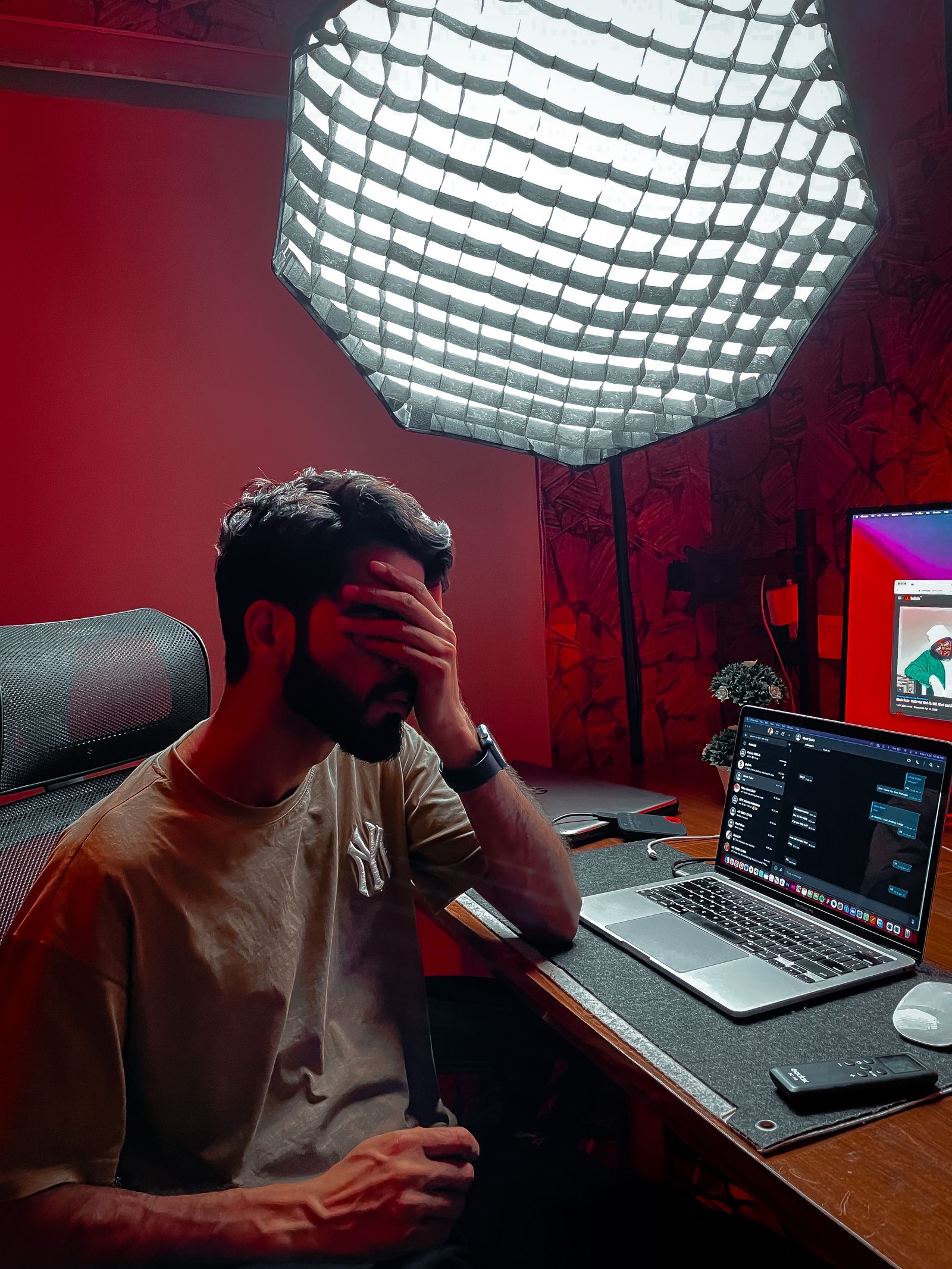
For two years I treated sleep like a bug in my schedule. I set a 4:37 a.m. Alarm because the odd number felt hardcore. I drank cold brew at 11 p.m. And answered investor emails from bed. When friends asked how I functioned, I'd grin and say, "Sleep is for people with bosses." I didn't have a boss. I had something worse: a brain running on fumes, making decisions about money, hiring, and product direction.
The crash wasn't dramatic. It was a Tuesday. I forgot a client's name thirty seconds into a sales call. I snapped at my co-founder over a typo. Then I sent a pricing proposal with the numbers off by a factor of ten and didn't notice until the client laughed. That night I lay awake. Of course I did. And did the math. I wasn't working more hours. I was just doing worse work in the same hours.
So I ran a 60-day experiment on myself. I read the sleep research, picked the changes with the strongest evidence and the lowest effort, and tested them one at a time with a cheap sleep tracker on my wrist. No $400 ring, no sleep lab. Just seven small changes. By day 60 my average was 7 hours and 12 minutes, up from 4 hours and 40 minutes. My deep-work sessions got longer, my temper got shorter in the good way, and the 3 p.m. Slump mostly vanished. Here's exactly what I did, in the order I'd do it again.
1. Set a caffeine curfew
Caffeine has a half-life of about five to six hours, which means the espresso you drink at 4 p.m. Is still half-circulating at 10 p.m. It doesn't just keep you awake. It fragments the sleep you do get, cutting into the deep stages that consolidate memory and clear metabolic waste from the brain. Most founders I know drink coffee like it's a personality trait and then wonder why they stare at the ceiling until 1 a.m.
My rule is simple: no caffeine after 12 p.m. If you can't do noon, start with 2 p.m. And move it earlier each week. The first three days of my curfew were miserable. Headaches by 3 p.m., the works. By day five, the afternoon slump I thought caffeine was fixing had shrunk on its own. My tracker showed I started falling asleep 38 minutes faster within two weeks. I still drink two strong coffees every morning. I just drink them like a normal person, before lunch.
2. Anchor your wake time, not your bedtime
Every sleep book tells you to go to bed at the same time. That's fine advice and nearly impossible for a founder whose Tuesdays end at 9 p.m. And whose Thursdays end at 1 a.m. What actually works is anchoring your wake time instead. Your circadian clock takes its strongest cue from when you get up and see light, not when you lie down. Fix the wake time and the bedtime usually drags itself into line within a week or two.
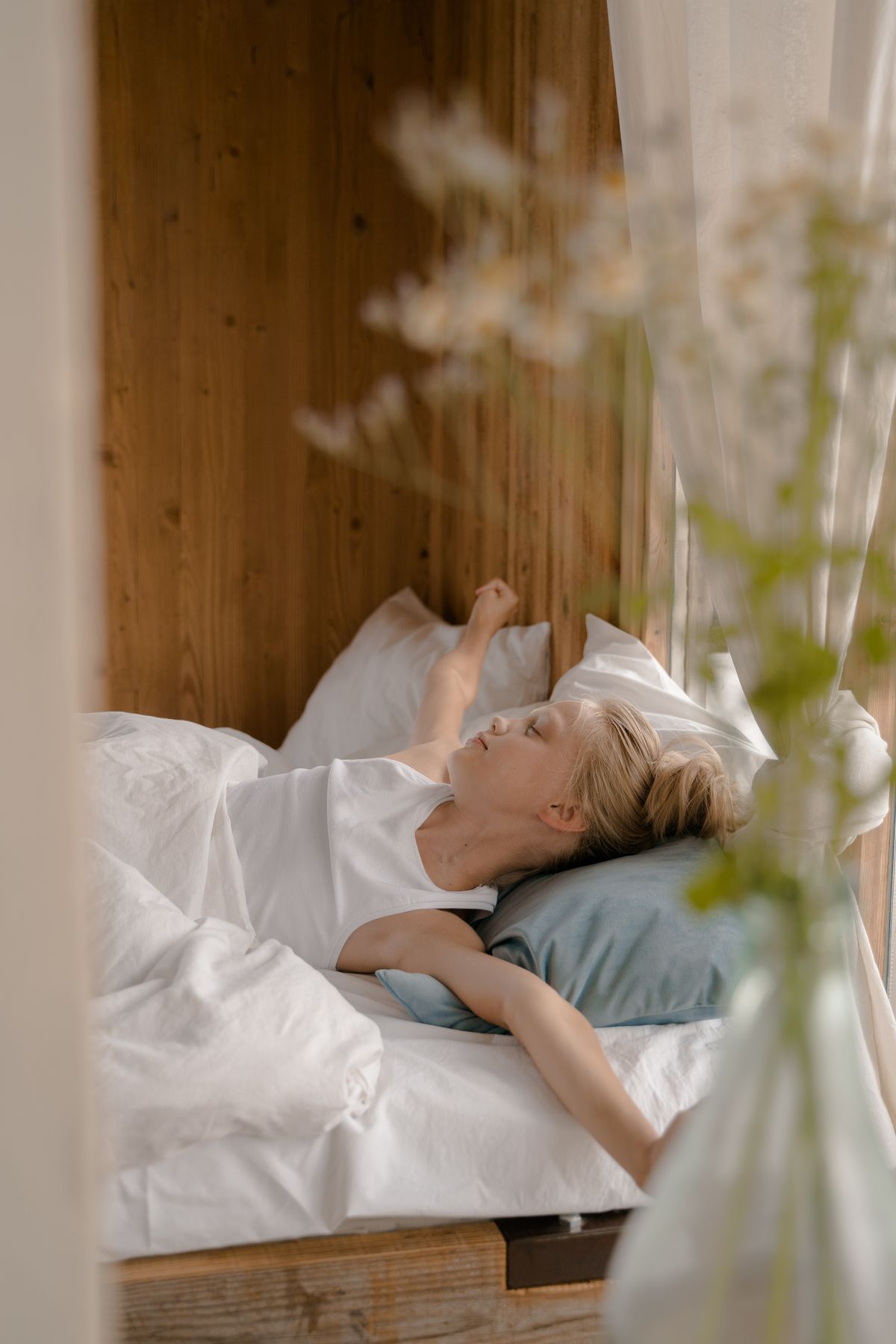
I picked 6:30 a.m. And kept it seven days a week, weekends included, with a maximum 30-minute drift. The first weekend hurt. By the second, I was waking up at 6:25 without the alarm, which felt like a superpower and is actually just biology. If you're a night owl running a company, don't pick 5 a.m. Because some podcast told you to. Pick the earliest time you can sustain every single day and defend it like a client meeting.
One more founder-specific point: stop "catching up" on weekends. Sleeping until noon on Sunday doesn't repay a sleep debt. It just shoves your clock sideways so Monday morning feels like jet lag. Researchers call this social jet lag, and entrepreneurs are especially prone to it because our schedules swing wildly. Consistency beats duration for the first two weeks; duration follows.
3. Do a 10-minute shutdown ritual
The reason you can't fall asleep isn't your mattress. It's the 47 open loops in your head: the unanswered email, the feature that might break, the hire you're unsure about. Your brain treats unfinished tasks as threats and keeps pinging you about them. Psychologists call this the Zeigarnik effect. A shutdown ritual works because it tells your brain, in writing, that the loops are parked somewhere safe.
Mine takes ten minutes and happens at my desk, not in bed. I write tomorrow's top three priorities on paper. I do a two-minute brain dump of everything still buzzing in my head into a notes app. Then I close every tab, shut the laptop lid, and say out loud, "Work is done." Saying it sounds silly. It works anyway. It creates a hard boundary your brain learns to respect. Within a month, my "lying awake planning" time dropped from roughly an hour to under fifteen minutes.
4. Make your bedroom dark, cool, and boring
Your bedroom is probably working against you. The router blinking in the corner, the streetlight leaking around the curtains, the room sitting at 24°C. Each one is a small tax on your sleep quality. Your core body temperature needs to drop about a degree to initiate deep sleep, and even dim light through closed eyelids can suppress melatonin. You don't need a renovation. You need three cheap fixes.
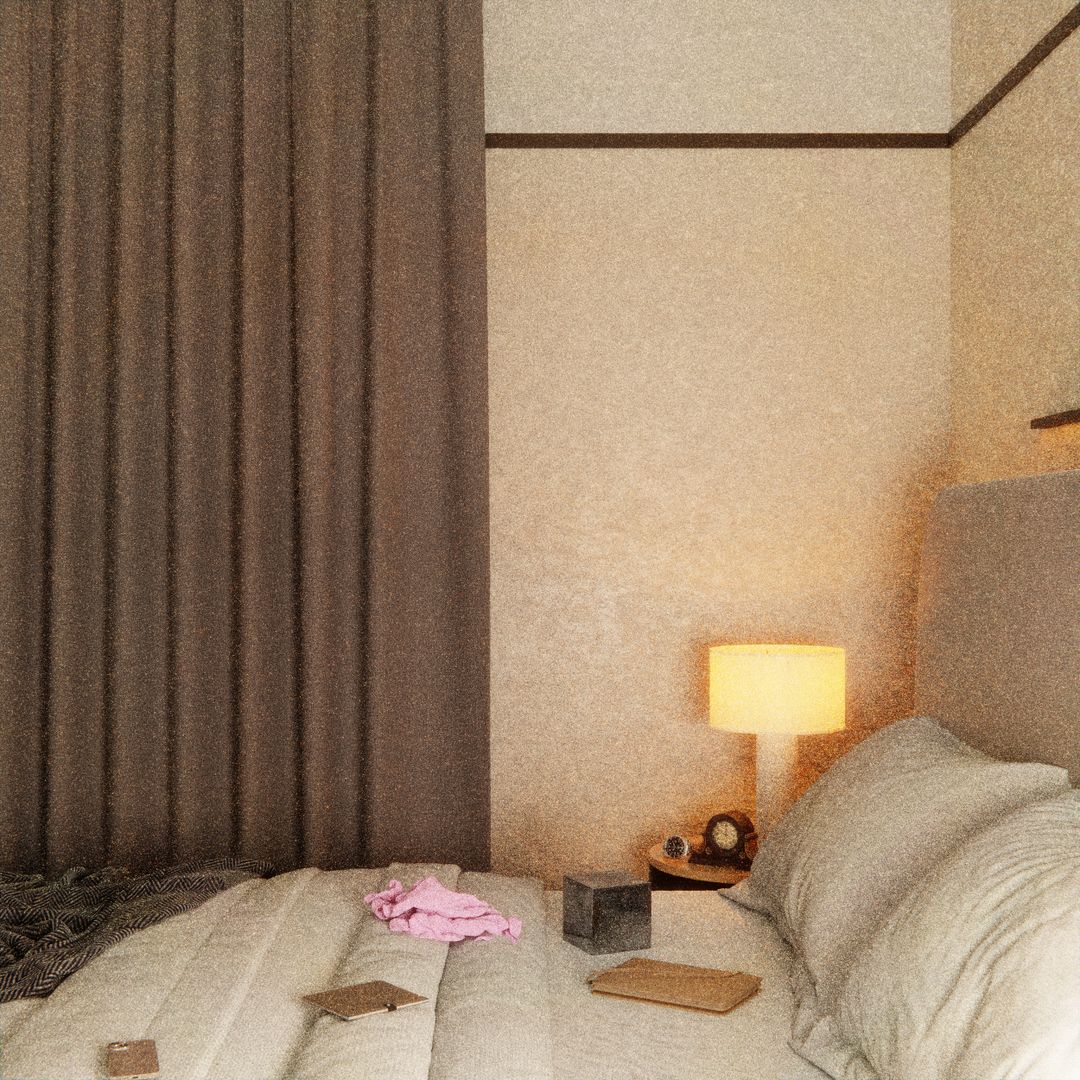
First, darkness: blackout curtains or a $10 sleep mask. Second, temperature: aim for 18–19°C; if you can't control the AC, a fan pointed at the bed plus lighter bedding gets you most of the way. Third, noise: earplugs, or a white-noise app on an old phone in airplane mode. I resisted the sleep mask for months because it felt dramatic. It took one business trip with a good hotel mask to convert me. My deep-sleep minutes jumped 20% that week and never went back.
Founders love optimizing their offices and ignore their bedrooms, which is backwards. You spend more hours in your bedroom than anywhere else on earth, and it's the one room that directly sets your next day's output. Chronic sleep loss quietly degrades the exact skills founders need most. Judgment, emotional control, and creative problem-solving. Treat the bedroom like infrastructure, not decor.
5. Get 10 minutes of morning light
This one sounds too simple to matter, and it's the change with the most research behind it. Bright light in the first hour after waking. Ideally sunlight, outdoors, not through a window. Sets your circadian clock and starts a timer: roughly 14 to 16 hours later, your body begins releasing melatonin on its own. Morning light is literally what makes you sleepy at the right time at night. No light in the morning, no sleepiness signal at night. It's that mechanical.
You don't need to stare at the sun. A 10-minute walk around the block, coffee on the balcony, even parking ten minutes from the office and walking in. On overcast days it still works. A cloudy sky delivers around 10,000 lux, versus 500 lux from bright indoor lighting. I paired mine with my existing habit of checking the day's calendar, so it cost zero extra minutes. My 3 p.m. Energy dip, the one I'd been "fixing" with espresso for years, faded within three weeks.
6. Kick the phone out of the bedroom
The phone is the single biggest sleep saboteur in a founder's life, and it's not just the blue light. It's the slot machine of notifications, the "one quick check" of revenue dashboards at midnight, the argument with a stranger on social media at 12:47 a.m. That keeps your heart rate up for an hour. Several founders have written about treating rest as a leadership tool, and every one of them mentions reclaiming the bedroom from the phone.
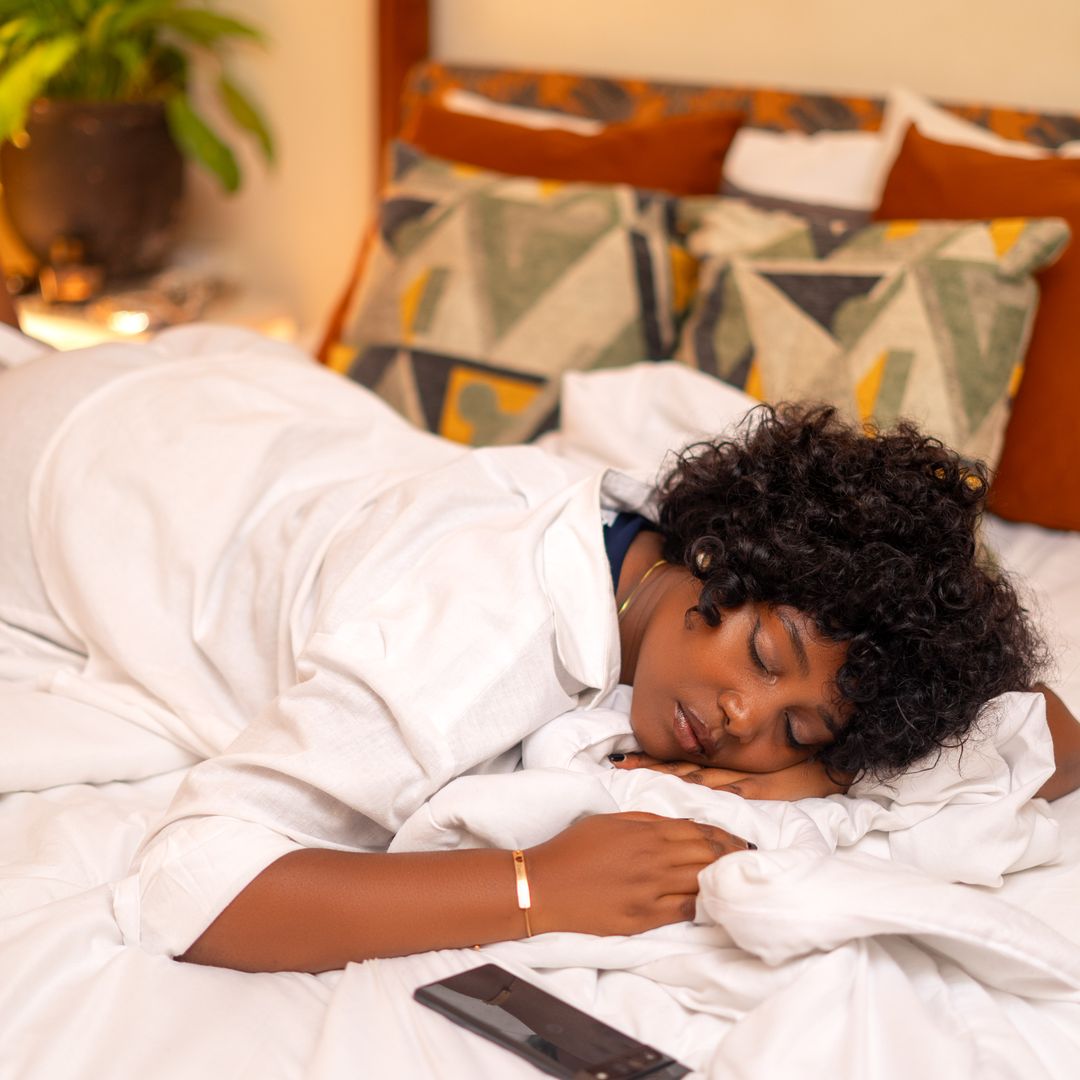
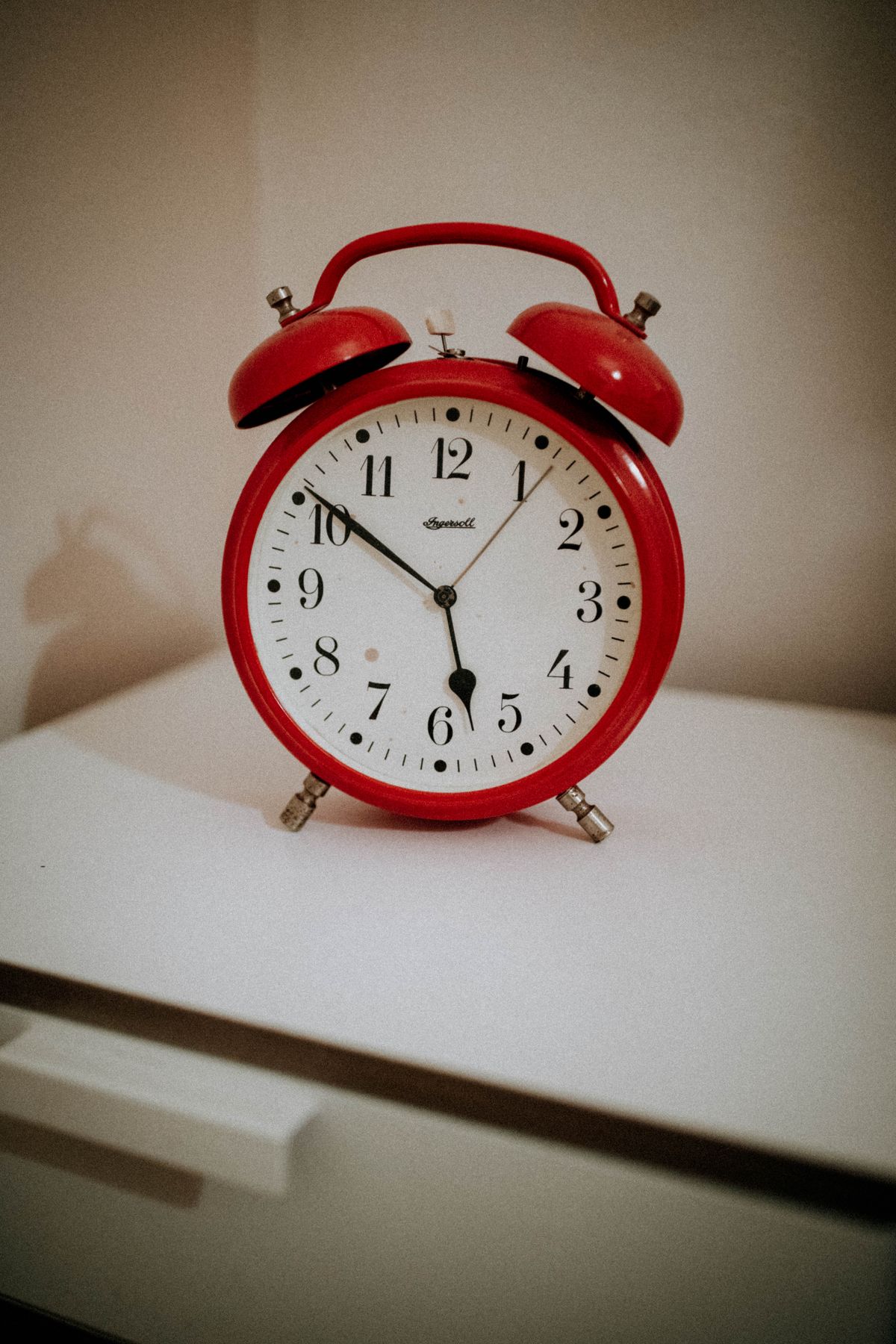
My system: a $12 basic alarm clock on the nightstand, and the phone charges in the kitchen overnight. The first three nights I reached for the phone out of pure reflex, like a phantom limb. By night five, I was reading a paperback and falling asleep mid-chapter. The unexpected bonus: my mornings got calmer too. Instead of waking up to 40 notifications and starting the day in reactive mode, I get a full quiet hour before the world is allowed in.
7. Track your sleep, but don't obsess
A cheap fitness band or even your phone's built-in sleep tracking is enough. What matters is the trend, not the score. Watch two numbers: total sleep time and consistency of your schedule. Ignore the rest. Consumer trackers are decent at telling you when you slept and rough at telling you how deeply, and arguing with a "sleep score" of 72 at 7 a.m. Is a special kind of self-sabotage.
I checked my numbers once a week, on Sunday mornings, and asked one question: "Did the changes stick?" The data kept me honest. When my average dipped below 6.5 hours for a week, I could always trace it to a broken rule. Usually the caffeine curfew during a launch week. That's the real value of tracking: it's a mirror, not a judge. The moment tracking itself starts stressing you out at bedtime, stop for a month. The habits matter more than the graph.
| Change | Effort (1–5) | When I noticed results | My measured result |
|---|---|---|---|
| Caffeine curfew (noon) | 2 | 1–2 weeks | Fell asleep 38 min faster |
| Fixed 6:30 a.m. Wake time | 3 | 2 weeks | Waking naturally before alarm |
| 10-minute shutdown ritual | 1 | 1 week | Racing thoughts down from ~60 to ~15 min |
| Dark, cool bedroom | 2 | 3–4 nights | Deep sleep up ~20% |
| 10 min morning light | 1 | 2–3 weeks | Afternoon slump mostly gone |
| Phone out of bedroom | 3 | 1 week | Calmer mornings, faster sleep onset |
| Weekly sleep tracking | 1 | Ongoing | Average 4h40m → 7h12m in 60 days |
A quick honesty note: this is general wellness information from my own experiment, not medical advice. If you snore loudly, stop breathing in your sleep, or feel exhausted despite sleeping enough, talk to a doctor. That could be sleep apnea, and no protocol fixes that.
Relevant ads will appear here once AdSense is connected.
FAQ
How much sleep do founders actually need?
Same as everyone else: 7 to 9 hours, according to sleep researchers. There's a persistent myth that successful people need less sleep. What the research actually shows is that people who think they function fine on 5 hours consistently underperform on attention and decision-making tests. They just stop noticing the decline.
Is 6 hours enough if I feel fine?
Probably not. In lab studies, people restricted to 6 hours a night for two weeks performed as badly on cognitive tests as people who'd stayed up 24 hours straight. While rating themselves as only slightly tired. "Feeling fine" is the least reliable gauge you have.
Do naps help, or do they wreck nighttime sleep?
A 20-minute nap before 3 p.m. Can sharpen afternoon focus without hurting nighttime sleep. Keep it short and early. Naps longer than 30 minutes or later than mid-afternoon tend to push your bedtime later, which defeats the purpose.
What if my mind races the moment I lie down?
That's the shutdown ritual's job. Get the thoughts out of your head and onto paper earlier in the evening. A brain dump of tomorrow's tasks plus anything worrying you. A racing mind at midnight usually means the day's loops never got parked.
Are sleep trackers accurate?
Good enough for trends, shaky on details. They're reliable at detecting when you fell asleep and woke up, and rough at measuring deep versus light sleep. Use them to watch your averages over weeks, not to judge any single night.
Should I take melatonin?
I can't advise on supplements. That's between you and a doctor. What I can say is that behavioral changes (light timing, consistent schedule, caffeine curfew) have stronger long-term evidence than any pill, and they don't wear off. If sleep problems persist for weeks, see a sleep specialist before self-medicating.
Start tonight with just one change
Don't try all seven at once. You'll last four days and quit, and then you'll tell yourself "sleep stuff doesn't work for me." Pick one. The caffeine curfew is the highest-leverage single change for most founders. And do only that for a week. Then add the next. Sleep compounds like interest: small, boring, consistent deposits, and one day you wake up clear-headed and wonder why you ever bragged about being tired.
If this helped, read more in our Health section. Including the burnout system I built after fixing my sleep, because rest and stress turned out to be two halves of the same problem.
Relevant ads will appear here once AdSense is connected.